Chasing Light and Tradition: A Photographer’s Journey Through Phnom Penh’s Festive Soul
You know that magic when colors explode, laughter fills the air, and every shutter click feels alive? That’s Phnom Penh during festival season. I went not just to see, but to capture the soul of Cambodia’s capital through its celebrations. From golden temples pulsing with devotion to streets alive with dance and drumbeats, the city transforms. This isn’t just travel photography—it’s storytelling with light, emotion, and raw cultural heartbeat. The festivals here are not curated for tourists; they unfold organically, rooted in centuries-old beliefs and community spirit. To photograph them is to witness life in its most vibrant, unguarded form, where every gesture carries meaning and every moment pulses with authenticity.
The Rhythm of Celebration: Why Phnom Penh’s Festivals Are a Photographer’s Dream
Phnom Penh, the beating heart of Cambodia, reveals its truest self during festival seasons. When the calendar turns to key moments like Pchum Ben, Khmer New Year, and the Water Festival (Bon Om Touk), the city sheds its everyday rhythm and steps into a realm of heightened emotion, color, and communal energy. For photographers, this shift is nothing short of transformative. These festivals are not performances staged for visitors—they are lived experiences, deeply embedded in Cambodian identity, faith, and family. The visual richness is immediate: golden stupas glowing under tropical sun, monks in saffron robes walking in quiet procession, children laughing as they splash water in the streets. But beyond the surface spectacle lies a deeper narrative—one of continuity, reverence, and joy that transcends generations.
What makes Phnom Penh particularly compelling is the seamless coexistence of ancient tradition and modern urban life. You’ll find smartphone-toting teenagers offering lotus blossoms at temple altars, or motorbikes parked beside centuries-old pagodas during dawn prayers. This juxtaposition creates powerful visual contrasts that elevate storytelling. A wide-angle lens might capture a traditional dance performed in front of a high-rise hotel; a telephoto shot could isolate an elder’s weathered hands placing incense at a shrine, while traffic hums just beyond the frame. These layers of meaning—past and present, sacred and secular—give festival photography in the capital its unique depth.
The emotional authenticity of these moments is unmatched. Unlike staged cultural shows, real festivals unfold unpredictably. A sudden downpour during Khmer New Year doesn’t stop the dancing—it amplifies it. A child’s tearful reaction to a loud firecracker is followed by a grandmother’s gentle embrace, captured in a single, unposed moment. These are the images that resonate, not because they’re technically perfect, but because they’re honest. For photographers, the challenge and reward lie in being present, patient, and perceptive—ready to document not just what is seen, but what is felt.
Light, Color, and Motion: Mastering the Visual Language of Cambodian Festivals
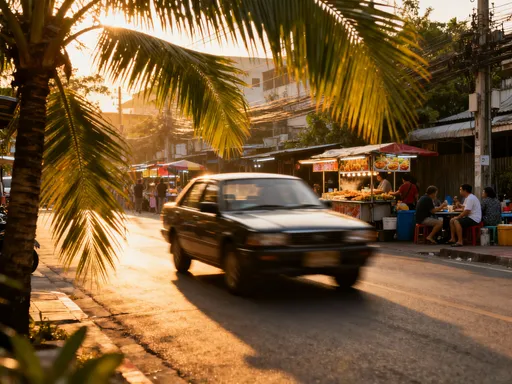
To photograph Phnom Penh’s festivals is to engage in a constant dialogue with light, color, and motion. The tropical climate shapes the visual experience—intense midday sun casts sharp shadows, while early mornings and late afternoons bathe the city in a golden, almost ethereal glow. This soft, directional light is ideal for capturing texture: the intricate carvings on temple walls, the delicate embroidery on traditional chamars, or the glisten of sweat on a dancer’s brow. Photographers who rise before dawn are rewarded with scenes of quiet devotion—monks collecting alms, families preparing offerings, and incense smoke curling into the pink-tinged sky—all rendered in warm, diffused light that enhances mood and depth.
Color is another defining element. Cambodian festivals are a feast for the eyes, dominated by symbolic hues: red for vitality and protection, gold for spirituality and prosperity, and white for purity and remembrance. These colors appear in clothing, decorations, and ritual objects, creating bold visual contrasts against the city’s more muted urban backdrop—weathered concrete, green tree canopies, and the deep blue of the Mekong River. A skilled photographer learns to use these contrasts intentionally, framing subjects so that a flash of red draws the eye or a swath of gold becomes the focal point of a composition. Even in crowded scenes, color can guide the viewer’s attention and elevate the emotional tone of an image.
Motion adds another layer of complexity and opportunity. Whether it’s the rhythmic sway of dancers during Khmer New Year, the synchronized paddling of longboats during Bon Om Touk, or the chaotic splashing of water fights, movement is everywhere. Capturing it requires technical awareness. A fast shutter speed freezes a child mid-laugh, water droplets suspended in air like diamonds. A slower shutter, combined with panning, can blur the background while keeping the subject sharp, conveying speed and energy. Long exposures at night turn fireworks into radiant streaks and festival lights into glowing trails along the riverbank. The key is not just reacting to motion, but anticipating it—knowing when a drumbeat will peak, when a dancer will leap, when a boat will surge forward. These split-second decisions define the difference between a snapshot and a story.
Pchum Ben: Capturing the Quiet Intensity of Ancestral Remembrance
Among Cambodia’s most profound festivals, Pchum Ben stands apart for its spiritual depth and emotional gravity. Lasting 15 days, this period honors ancestors and is rooted in Buddhist beliefs about the afterlife. In Phnom Penh, the atmosphere shifts—temples become centers of quiet devotion, families gather before dawn, and the scent of incense lingers in the air. Wat Phnom, one of the city’s oldest religious sites, and the nearby Oudong, a former royal capital, draw thousands of pilgrims. For photographers, this is not a time for flashy shots or loud celebrations, but for capturing stillness, reverence, and the unspoken bonds between generations.
The visual language of Pchum Ben is one of subtlety. You’ll see elderly women placing trays of sticky rice and fruit at temple altars, their hands trembling slightly with age. Monks walk in silent lines, collecting offerings with downcast eyes. At sunrise, the first rays of light strike the temple spires, casting long shadows across prayer halls filled with bowed heads. These are intimate moments, often occurring in hushed spaces where noise feels intrusive. The photographer’s role here is not to capture everything, but to observe with restraint. A long lens allows for respectful distance, preserving the dignity of those in prayer while still recording the emotional weight of the scene.
One of the greatest challenges is conveying silence through a visual medium. How do you photograph absence, memory, longing? The answer lies in detail: a single photograph of a deceased loved one placed beside an offering, a child mimicking their grandmother’s prayer gestures, a folded robe left at a family shrine. These small, quiet details carry immense narrative power. They remind us that Pchum Ben is not about spectacle, but about continuity—about ensuring that those who have passed are not forgotten. For photographers, the reward is not in the number of images taken, but in the depth of understanding gained.
Khmer New Year: Chaos, Joy, and the Art of Candid Storytelling
If Pchum Ben is a meditation, Khmer New Year is a celebration in full color and sound. Marking the traditional solar new year in mid-April, this three-day festival transforms Phnom Penh into a citywide party. Streets that normally hum with traffic become arenas of laughter, music, and water fights. Homes are cleaned and decorated, altars are refreshed, and families gather to pay respects before the festivities begin. For photographers, this is a paradise of candid moments—unscripted, spontaneous, and full of life.
The first day, Moha Sangkran, is dedicated to purification. People pour scented water on Buddha statues and the hands of elders as a sign of respect. You’ll find families visiting temples, children dressed in traditional silk, and elders offering blessings. These scenes are rich with cultural detail—the precise way a young girl folds her hands in sampeah, the solemnity of a monk chanting prayers, the pride in a grandmother’s eyes as she receives well-wishes. A medium telephoto lens works well here, allowing you to capture expressions without disrupting the ritual.
By the second and third days, the mood shifts dramatically. Water fights erupt across neighborhoods, fueled by buckets, hoses, and water pistols. But this is no mere chaos—it’s a form of playful blessing, a way of washing away the old year’s misfortunes. Children chase each other through alleyways, tourists join in with joyful abandon, and even monks sometimes accept a gentle splash with a smile. Wide-angle lenses excel in these moments, capturing the full energy of the scene—the arc of water in midair, the blur of motion, the sheer delight on drenched faces. The key is immersion: walk slowly, smile often, and let people forget the camera is there. The best shots come when subjects are no longer posing, but simply living.
Amid the fun, traditional games like Chol Chhoung—a cloth-ball-throwing game—and Leak Kanseng—a circle game involving stealth and laughter—offer further photographic opportunities. These games, often played in temple courtyards or open fields, connect the present to the past, showing how culture is passed down through play. A well-timed shot of a girl leaping to catch a thrown chhoung, her dress fluttering, can encapsulate the spirit of renewal that defines the festival.
Water Festival: Fireworks, Boats, and the Pulse of the Mekong
The Water Festival (Bon Om Touk), held in November, celebrates the unique reversal of the Tonlé Sap River—a natural phenomenon that sustains Cambodia’s agriculture and fisheries. In Phnom Penh, this event becomes a grand national celebration, centered along the banks of the Tonlé Sap and Mekong rivers. The highlight is the boat race, where hundreds of paddlers in long, narrow kathu boats race in perfect unison, their drums pounding like heartbeats. For photographers, this is a study in rhythm, power, and teamwork.
Daytime offers dynamic action shots: boats slicing through water, spray flying, faces strained with effort. A fast shutter speed freezes the precise moment a paddle dips into the river, while a slower setting can blur the motion to emphasize speed and energy. Wide compositions capture the full scale of the event—dozens of boats in parallel, crowds lining the shore, flags waving. But the real magic begins at dusk. As the sky darkens, the riverside comes alive with light. Food stalls glow, families picnic on blankets, and anticipation builds for the night’s grand finale: a dazzling display of fireworks and laser shows.
Night photography during Bon Om Touk demands preparation. A tripod is essential for long exposures. Set your camera to manual mode, use a low ISO to reduce noise, and experiment with shutter speeds between 5 and 30 seconds. The results can be breathtaking: fireworks blooming like flowers in the sky, light trails from passing boats, the reflections of lasers dancing on the water’s surface. But beyond the technical spectacle, the most powerful images are those of people—faces lit by the glow of fireworks, children pointing in awe, couples sharing quiet moments against the backdrop of celebration. These shots capture not just an event, but a collective emotion: pride, joy, unity.
The Water Festival is also a moment of national reflection. After decades of hardship, this celebration has become a symbol of resilience and renewal. The sight of thousands gathered peacefully along the river, united in celebration, speaks volumes. For photographers, documenting this spirit—without editorializing, without intrusion—is a privilege. The images become more than souvenirs; they become records of a nation’s heartbeat.
Beyond the Obvious: Finding Hidden Frames in Urban Corners
While the grand events draw the crowds, some of the most compelling festival photographs emerge from the margins—the quiet moments before the ceremony, the preparation behind the scenes, the daily life that continues alongside the celebrations. In neighborhoods like Daun Penh, Boeung Keng Kang, and Toul Kork, tradition is not confined to temples; it lives in homes, markets, and side streets. A vendor arranging marigolds at 5 a.m., a child practicing dance steps in a courtyard, a monk receiving alms from a street vendor—these are the unscripted moments that add nuance to the visual narrative.
Exploring these quieter spaces requires a slower pace and a curious eye. Walk early in the morning, when the city is still waking. Listen for the sound of chanting from a neighborhood pagoda. Notice how a family sets up a small altar in their living room, or how a grandmother teaches her granddaughter to fold lotus blossoms. These moments are not always easy to find, but they are always worth seeking. They reveal how festivals are not isolated events, but threads woven into the fabric of everyday life.
A macro lens can highlight details often overlooked: the texture of a handwoven scarf, the reflection in a bowl of rice offerings, the pattern of footprints in temple dust. These close-up images, when paired with wider scenes, create a richer, more layered story. They remind viewers that culture is not just performed—it is lived, practiced, and passed down in small, meaningful ways.
Ethical Lens: Respecting Culture While Telling Visual Stories
Photographing sacred and personal moments carries responsibility. In Cambodia, religion and tradition are deeply respected, and visitors—especially photographers—must approach them with humility. Always ask for permission before photographing individuals, particularly monks, elders, or those in prayer. A simple smile and a gesture toward your camera can go a long way. In many cases, people will welcome the interest, but some may decline—and that must be honored without argument or persistence.
Some temples and pagodas have strict rules about photography, especially during rituals. Signs may be posted, or attendants may gesture for cameras to be put away. Respect these boundaries. The goal is not to capture every possible image, but to do so with integrity. Using zoom lenses allows you to document scenes from a distance, minimizing intrusion. Avoid using flash in dimly lit temples—it can be disruptive and is often prohibited.
Remember, you are a guest. The festivals you photograph are not performances for your benefit; they are expressions of faith, family, and national identity. When people see themselves represented with dignity and care, your images become more than art—they become acts of respect. The best festival photographs are not those that win awards, but those that are welcomed by the subjects themselves. They are the ones that, when shown years later, still feel true.
More Than Pictures—Moments That Stay With You
Festival photography in Phnom Penh is not about chasing the perfect shot. It’s about presence—about standing in the heat, breathing in the scent of incense and street food, feeling the rhythm of drums in your chest. It’s about listening to the chants, watching the hands of an elder fold flowers, sharing a smile with a child who points at your camera with wonder. These experiences shape the images more than any technical setting ever could.
The festivals of Phnom Penh are not tourist attractions. They are living traditions—dynamic, evolving, and deeply meaningful to those who practice them. To photograph them is to participate, in a small way, in that continuity. Each image becomes a bridge—a way to share understanding, to honor culture, to preserve memory. When done with care, festival photography transcends documentation. It becomes a form of storytelling that honors both the seen and the unseen, the loud and the quiet, the grand and the intimate. And long after the memory of the shutter click fades, what remains is the soul of the city—still glowing, still dancing, still alive in every frame.