You Gotta See These Hidden Cultural Gems in Winnipeg
Winnipeg isn’t just a quiet Canadian city—it’s a cultural hub full of surprises. From vibrant Indigenous art to underground music scenes, my visit revealed layers I never expected. If you're looking for authentic experiences beyond the usual tourist stops, this city delivers. Let me take you through the cultural spots that made my trip unforgettable. What I discovered was not a sleepy prairie town, but a place pulsing with creative energy, deep history, and a strong sense of community. Winnipeg offers something rare in modern travel: genuine connection, unfiltered expression, and cultural richness that doesn’t demand crowds to feel meaningful. This is a city that rewards curiosity and reveals itself slowly, like pages turning in a well-loved book.
Arriving in Winnipeg: First Impressions That Defy Expectations
Many travelers pass through Winnipeg with little more than a glance, assuming it’s merely a transit point between eastern and western Canada. But stepping off the train or walking out of the airport, one quickly realizes this city holds a quiet confidence. The skyline blends historic stone buildings with sleek modern towers, and the streets hum with a rhythm that’s neither rushed nor idle—it’s deliberate, grounded. There’s a sense of space here, not just in the wide boulevards and open skies, but in the way people interact. Smiles are exchanged easily, conversations start over shared umbrellas in sudden rain, and strangers offer directions without hesitation.
What strikes visitors most is the absence of pretense. Unlike larger cities where culture can feel curated for tourists, Winnipeg’s cultural life feels lived-in, organic. The Exchange District, with its restored heritage warehouses, tells a story of reinvention—once a financial center, now home to galleries, theaters, and design studios. Walking through it feels like witnessing a city that honors its past while actively shaping its future. The Red and Assiniboine Rivers frame the city with natural grace, offering scenic pathways and green spaces where families picnic and cyclists glide along the trails.
For those seeking authenticity, Winnipeg’s understated charm is its greatest strength. It doesn’t shout; it invites. There are no massive tourist traps or overcrowded landmarks. Instead, culture unfolds in intimate bookstores, corner cafes with live acoustic sets, and community centers buzzing with activity. The city’s size—large enough to offer diversity, small enough to feel navigable—makes it ideal for slow exploration. Every neighborhood has its own pulse, its own story, and its own way of expressing what it means to be part of this northern prairie capital.
The Canadian Museum for Human Rights: A Landmark of Reflection and Hope
Rising like a spiral of light near The Forks, the Canadian Museum for Human Rights stands as one of the most architecturally and emotionally powerful buildings in North America. Designed by Antoine Predock, its sweeping curves and glass towers symbolize ascent and transparency, inviting visitors on a journey that is as much internal as it is educational. This is not a museum filled with static displays and distant artifacts. It is an immersive experience that engages the senses, challenges assumptions, and inspires empathy.
From the moment you enter, the atmosphere shifts. The Great Hall, with its soaring ceiling and natural light filtering through alabaster panels, creates a space that feels both sacred and inclusive. As you move through the galleries, you encounter stories from around the world—Holocaust survivors, South African anti-apartheid activists, Canadian residential school survivors, and advocates for disability rights. Each exhibit is carefully curated to balance historical facts with personal narratives, ensuring that statistics never overshadow human experience.
One of the most moving sections focuses on Indigenous rights in Canada. Through multimedia installations, oral histories, and interactive timelines, visitors gain a deeper understanding of the resilience and resistance of First Nations, Métis, and Inuit peoples. The museum does not shy away from difficult truths, including the legacy of colonialism and systemic discrimination, but it frames these stories within a broader context of hope and progress. The final gallery, the Inspiring Change room, invites reflection and action, reminding us that human rights are not fixed—they require vigilance, courage, and collective effort.
What makes this museum truly transformative is its ability to connect global struggles with local awareness. Visitors often leave not just informed, but changed—more attentive to injustice, more committed to compassion. For families, it offers a rare opportunity to discuss complex topics in a safe, thoughtful environment. For solo travelers, it provides a space for introspection. And for all, it stands as a testament to Winnipeg’s role as a city of conscience and cultural leadership.
Stepping Into Indigenous Culture at the Winnipeg Art Gallery and Qaumajuq
If the Canadian Museum for Human Rights speaks to the soul of justice, the Winnipeg Art Gallery (WAG) and its groundbreaking addition, Qaumajuq, speak to the soul of creativity—particularly the enduring legacy of Inuit art. Home to the largest public collection of contemporary Inuit art in the world, WAG-Qaumajuq is more than a gallery; it is a cultural sanctuary. The name Qaumajuq, meaning “it is bright, it is lit” in Inuktitut, captures the spirit of this space—a place where tradition is illuminated, celebrated, and carried forward.
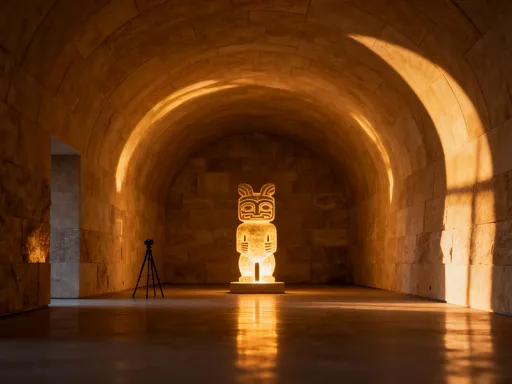
The building itself is a work of art. Designed in collaboration with Inuit advisors and architects, Qaumajuq features a striking curved façade inspired by Arctic ice formations. Inside, the centerpiece is the Visible Vault—a three-story glass tower housing over 10,000 carved stone, bone, and antler sculptures. Lit from within, the pieces glow like treasures in a cathedral of light. Walking around it, you feel the weight of history and the brilliance of artistic vision. Each sculpture tells a story—of animals, spirits, daily life, and myth—crafted with precision and deep cultural meaning.
What sets WAG-Qaumajuq apart is its commitment to community and collaboration. Inuit artists are not just represented; they are present. The gallery hosts regular artist talks, workshops, and residency programs that allow visitors to engage directly with creators. Educational displays explain the significance of materials, tools, and symbols, deepening appreciation for the art beyond aesthetics. The space also includes a digital archive where families can search for artworks connected to their ancestors, creating powerful moments of reconnection and healing.
For non-Indigenous visitors, the experience is both humbling and enlightening. It offers a rare chance to learn from, rather than about, Inuit culture. The gallery does not treat art as a relic of the past but as a living, evolving practice. Temporary exhibitions feature contemporary Inuit photographers, textile artists, and multimedia creators, showing how tradition and innovation coexist. By centering Indigenous voices and perspectives, WAG-Qaumajuq sets a new standard for cultural institutions across the country.
The Beat of the City: Experiencing Music and Performance Culture
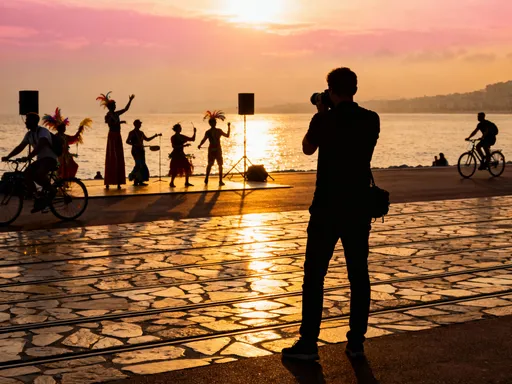
Winnipeg’s cultural heartbeat can be heard most clearly in its music and performance venues. From grand theaters to cozy basement stages, the city nurtures a vibrant arts scene that is as diverse as it is passionate. Live music isn’t an occasional event here—it’s part of the city’s daily rhythm. Whether it’s a symphony at the Centennial Concert Hall, a folk set at the West End Cultural Centre, or an indie band playing in a dimly lit bar on Portage Avenue, the energy is always intimate, always authentic.
The Burton Cummings Theatre, a beautifully restored 1915 vaudeville house, is one of the city’s crown jewels. With its ornate ceilings, grand chandeliers, and impeccable acoustics, it provides a majestic setting for everything from Broadway tours to rock concerts. Attending a performance here feels like stepping into another era—one where audiences dressed up, paid attention, and truly listened. Yet the programming remains contemporary, featuring Canadian legends like Neil Young and rising stars from Winnipeg’s own thriving music scene.
Just as important are the smaller, grassroots spaces that keep the city’s creative spirit alive. The West End Cultural Centre, housed in a former church, hosts weekly concerts, open mics, and community events. The lineup is eclectic: Ukrainian choirs, Métis fiddlers, jazz ensembles, and spoken word poets all find a home here. Tickets are affordable, the atmosphere is welcoming, and the connection between performer and audience is palpable. You’re not just watching a show—you’re part of it.
Winnipeg’s reputation as a music city is well-earned. It has produced internationally acclaimed artists like The Guess Who, Neil Young, and more recently, Serena Ryder and Begonia. Local radio stations and music festivals support homegrown talent, ensuring that new voices are heard. For visitors, this means that even a casual night out can turn into a memorable cultural experience. You might stumble upon a jam session at a neighborhood pub or catch a free outdoor concert in Assiniboine Park. Music in Winnipeg isn’t confined to stages—it’s in the streets, the parks, the hearts of its people.
Festival City: How Seasonal Events Bring Culture to Life
If there’s one word that defines Winnipeg’s cultural calendar, it’s celebration. The city embraces its seasons with a series of festivals that transform public spaces into stages of joy, color, and community. These events are not commercial spectacles—they are deeply rooted in local identity, heritage, and inclusivity. They draw thousands each year, not because of flashy advertising, but because they feel real, personal, and essential.
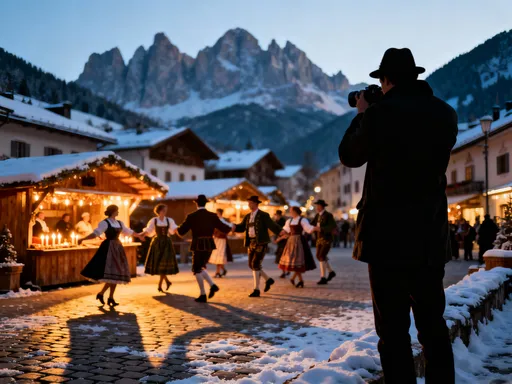
The Festival du Voyageur, held every February, is perhaps the most iconic. Set in Fort Gibraltar, a reconstructed fur trade post, the festival honors the city’s French-Canadian and Métis roots. Snow blankets the grounds, bonfires crackle, and the air fills with the scent of tourtière and maple taffy. Visitors wear tuques and buffalo coats, dance to fiddle music, and learn traditional crafts like beadwork and snowshoe-making. It’s a joyful defiance of winter’s cold, a reminder that warmth comes not just from fire, but from community.
Equally remarkable is Folklorama, the world’s largest and longest-running multicultural festival. For two weeks each summer, Winnipeg becomes a global village. Over 40 pavilions—representing countries from Ukraine to Zimbabwe, from Japan to Mexico—offer authentic food, dance, music, and storytelling. Families set up tables with embroidered linens, elders teach children folk songs, and visitors taste dishes they may have never encountered before. The festival is more than entertainment; it’s a living testament to Winnipeg’s diversity and its commitment to mutual respect.
The Indigenous Festival, held at The Forks, celebrates the cultures of First Nations, Métis, and Inuit peoples through powwows, traditional games, artisan markets, and storytelling circles. The drumming is powerful, the regalia colorful, and the sense of pride unmistakable. Unlike performative displays, these events are participatory—visitors are welcomed, not just watched. Children are invited to dance, elders share wisdom, and everyone is reminded of the deep roots that connect us to this land.
These festivals do more than fill calendars—they strengthen the social fabric. They create spaces where differences are celebrated, where generations connect, and where culture is not something to be observed, but lived. For travelers, attending one is not just a highlight; it’s a doorway into the soul of the city.
Neighborhood Deep Dives: Cultural Stories in Every Corner
To truly know Winnipeg, you must walk its neighborhoods. Each district has its own character, history, and cultural signature. Start in the Exchange District, where restored brick warehouses now house art galleries, design studios, and independent coffee shops. Murals cover side walls, depicting everything from historic figures to abstract patterns. On weekends, the streets fill with artists selling prints, jewelry, and handmade goods at open-air markets.
Just south, Osborne Village offers a different vibe—lively, eclectic, and youthful. Book lovers flock to Perfect Books, a beloved independent bookstore with three floors of carefully curated titles. The sidewalk cafes buzz with conversation, and the Rainbow Stage, an open-air theater in Assiniboine Park, hosts musicals and concerts all summer. This neighborhood feels like a cultural crossroads, where students, artists, and families mingle easily.
The North End, often misunderstood, is one of the city’s most resilient and creative communities. Once home to waves of European immigrants, it now has a strong Indigenous and multicultural presence. Community centers like the NorWest Co-op offer art programs, food security initiatives, and youth mentorship. Murals here tell stories of struggle and hope, of identity and belonging. Walking through the streets, you see gardens tended by neighbors, murals painted in collaboration with local youth, and small businesses that serve as anchors of pride.
Even the smallest details reveal culture: a Ukrainian church with golden domes, a Hmong grocery store with vibrant produce, a Métis elder teaching beadwork in a community hall. These are not tourist attractions—they are everyday expressions of life. Exploring Winnipeg neighborhood by neighborhood allows you to see the city not as a destination, but as a collection of stories, each one worth listening to.
Why Winnipeg’s Cultural Scene Deserves More Attention—and How to Experience It Right
In an age of overcrowded landmarks and performative travel, Winnipeg offers something increasingly rare: authenticity. Its cultural scene thrives not on spectacle, but on substance. It invites visitors to slow down, listen deeply, and engage meaningfully. This is not a city that caters to mass tourism. It rewards those who come with curiosity, respect, and an open heart.
The benefits of visiting a mid-sized city like Winnipeg are profound. You can explore major institutions like the Canadian Museum for Human Rights and WAG-Qaumajuq without long lines or timed entries. You can attend a live show and still have time to meet the musicians afterward. You can chat with a gallery curator, a festival organizer, or a shop owner who remembers your name. These moments of connection are what make travel transformative.
To experience Winnipeg’s culture right, start by planning your visit around its festivals. February for Festival du Voyageur, August for Folklorama, July for the Indigenous Festival—each offers a unique window into the city’s soul. Support local artists by purchasing handmade crafts, attending independent shows, and dining at locally owned restaurants. Choose walking tours led by community members rather than generic bus tours. Visit neighborhoods with humility, understanding that you are a guest in living, evolving communities.
Most importantly, travel mindfully. Put away the checklist. Let go of the need to see everything. Instead, choose a few experiences and immerse yourself fully. Sit in a café and listen to the conversations around you. Attend a community event not because it’s famous, but because it’s real. Let the city surprise you, teach you, change you.
Winnipeg may not be on every traveler’s radar, but that’s part of its magic. It remains unpolished, unpretentious, and deeply human. Its cultural gems are not hidden because they’re secret—they’re hidden because they’re lived. They belong to the people who create them, share them, and keep them alive. To visit Winnipeg is not to consume culture, but to participate in it. And in doing so, you don’t just see a city—you connect with its heart.