Where Spirit Meets Silk: Shopping for Wonder in Varanasi’s Living Landscape
Varanasi isn’t just a city—it’s a breathing riverbank symphony of light, smoke, and color. I went searching for souvenirs but found something deeper: nature’s grandeur woven into everyday life. From dawn fog rolling off the Ganges to hand-dyed silks that mirror sunrise, shopping here isn’t transactional—it’s transformational. You don’t just buy a scarf; you take home a piece of the sacred. This is commerce with soul, where every thread tells a story shaped by earth, water, and time.
The Ganges as a Natural Stage
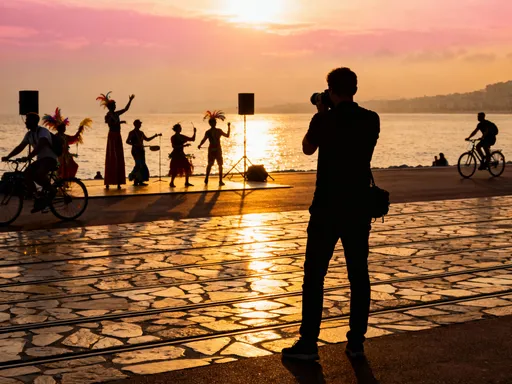
The Ganges flows through Varanasi like a living pulse, its rhythms dictating the tempo of daily life. At dawn, a soft mist rises from the water, curling around the ancient stone steps known as ghats, where pilgrims descend for morning ablutions. The air carries the scent of wet stone, incense, and river clay, mingling with the faint sweetness of marigolds offered in prayer. As the sun lifts above the eastern bank, golden light spills across the water, turning ripples into shimmering ribbons. This is not just a river—it is a stage where nature performs daily, and the market life along its edge is part of the performance.
Shopping in Varanasi is never separate from the river’s presence. Vendors set up their wares on the narrow lanes leading down to the ghats, their stalls illuminated by the same morning glow that bathes the water. Baskets of fresh marigolds sit beside stacks of brass lamps, their reflections flickering in puddles left by the receding tide. The sound of chanting blends with the rustle of silk and the clink of spice jars being arranged on wooden shelves. Every purchase feels rooted in this sensory harmony. A cotton shawl bought at sunrise seems to carry the coolness of the river breeze; a brass bell echoes the resonance of temple bells carried on the wind.
What makes shopping along the ghats so deeply connected to nature is the absence of artificial separation between commerce and environment. There are no climate-controlled malls or sealed storefronts. Instead, the market breathes with the city. When the afternoon sun blazes, shopkeepers retreat into shaded doorways, fanning themselves with folded cloth. As evening approaches, the atmosphere shifts again. The aarti ceremony at Dashashwamedh Ghat transforms the riverfront into a theater of flame and song. Fire offerings are cast into the water, their reflections dancing like constellations. In this moment, even the act of selecting a souvenir feels sacred—less about ownership, more about participation in a centuries-old rhythm of giving and receiving.
Silk That Echoes the Sunrise
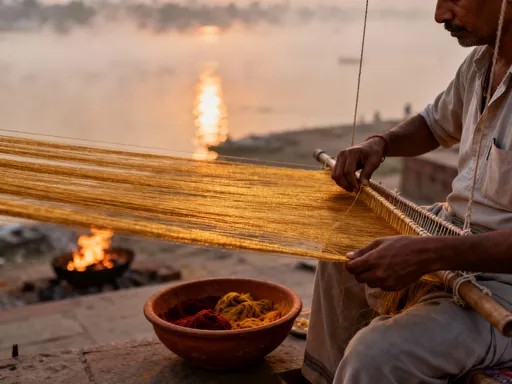
Banarasi silk is more than fabric—it is light made tangible. Woven for generations in the narrow alleys of Varanasi, these silks capture the hues of the natural world in threads of gold, saffron, and deep indigo. What sets them apart is not only their intricate brocade but their organic connection to the earth. Many artisans still use plant-based dyes derived from turmeric, pomegranate peel, indigo leaves, and lac insects. These natural pigments do not merely color the fabric; they give it a depth that synthetic dyes cannot replicate—a depth that shifts subtly in changing light, much like the sky over the Ganges at dawn.
The weaving process itself is a quiet dialogue between human hands and natural cycles. Weavers often begin their work at first light, when the air is cool and the city is still. Some families time their dyeing according to the seasons—using lighter, cooler tones in summer and richer, warmer shades in winter. Patterns frequently draw from nature: lotus blossoms unfurling in temple ponds, peacocks strutting through morning mist, or the delicate tracery of vines climbing old temple walls. One weaver I met in the Vishwanath Gali neighborhood showed me how he matches the shade of saffron silk to the exact hue of the sunrise, holding a swatch against the eastern sky each morning to ensure authenticity. “The color must be true to the day,” he said, “not to a machine.”
Purchasing a piece of Banarasi silk is not merely acquiring a luxury textile—it is bringing home a fragment of this living tradition. Each sari or stole carries the imprint of seasonal rains, river-fed soil, and generations of skilled hands. When worn, it becomes a quiet celebration of natural beauty, a reminder that elegance need not come at the cost of ecological harmony. For the mindful traveler, choosing naturally dyed silk is a small but meaningful act of preservation—supporting techniques that honor both artistry and the environment.
Spice Markets as Gardens of the Senses
Step into one of Varanasi’s spice bazaars, and the world becomes a mosaic of scent and color. Piles of turmeric glow like crushed sunlight, while mounds of red chili powder resemble desert clay after rain. Saffron threads, carefully laid out on cloth, look like strands of dried flame. The air is thick with the peppery bite of cardamom, the earthy warmth of cumin, and the citrusy lift of coriander. These are not imported powders in plastic containers but raw, sun-dried ingredients sourced directly from India’s fertile farmlands. Many vendors still receive weekly shipments from family farms in Uttar Pradesh, Bihar, and Madhya Pradesh, where crops are grown without synthetic fertilizers or pesticides.
What makes these markets so extraordinary is their fidelity to natural sourcing. Unlike mass-produced spice blends found in supermarkets, the offerings here are whole, unadulterated, and visibly alive. Cloves still have their stems. Cinnamon comes in curled bark pieces, not pre-ground powder. Fenugreek seeds are dark and pungent, their bitterness a sign of potency. Even the packaging is simple—cloth bags, paper wraps, or banana leaves—reflecting a tradition of minimal waste. For the shopper, this means more than just better flavor. It means connecting with a food system that respects the land, the season, and the labor behind each grain.
When selecting spices in Varanasi, it helps to think beyond taste. Consider their origin. Ask vendors where the cardamom was harvested or how the turmeric was dried. Many will happily share stories—of monsoon rains that enriched the soil, of family recipes passed down through generations, of the care taken to preserve aroma and medicinal quality. Choosing a jar of hand-sorted black pepper is not just about heat; it’s about supporting sustainable farming. It’s about bringing home a taste of India’s biodiversity, one spice at a time. For the home cook, these ingredients transform ordinary meals into acts of cultural memory and ecological awareness.
Beyond Fabric and Flavor: Nature-Inspired Handicrafts
While silk and spices dominate the imagination of Varanasi’s markets, the city’s craftsmanship extends far beyond. In quieter corners of the old city, artisans shape materials drawn directly from the surrounding landscape—terracotta from riverbed clay, bamboo from nearby forests, sandstone from local quarries. These natural elements are not chosen for convenience alone; they are integral to the identity of the objects created. A diya, or oil lamp, molded from Ganges clay burns with a different quality of light than one made from factory-produced plaster. The porous texture allows for even wick absorption, and when placed on a windowsill at dusk, its glow feels softer, more intimate.
Bamboo crafts tell a similar story of ecological harmony. Baskets, trays, and fans are woven from split cane, their flexibility a gift of the humid river climate. Unlike plastic imitations, these items breathe, age gracefully, and eventually return to the earth. Stone carvings—often depicting deities or floral motifs—are chiseled from soft sandstone that echoes the color of the Ganges at sunset. The carving process is slow, deliberate, each stroke shaped by years of practice. These are not mass-produced souvenirs but functional art pieces born of regional ecology and ancestral knowledge.
Choosing such handicrafts is an ethical decision as much as an aesthetic one. By supporting artisans who use local, renewable materials, travelers help sustain both cultural heritage and environmental balance. Many cooperatives and family workshops prioritize fair wages, non-exploitative labor, and low-impact production. Some even replant bamboo after harvest or recycle clay scraps into new molds. When you carry home a hand-carved wooden box or a terracotta lamp, you’re not just owning an object—you’re participating in a cycle of respect: for the material, the maker, and the land that gave rise to both.
The Rhythm of Sustainable Exchange
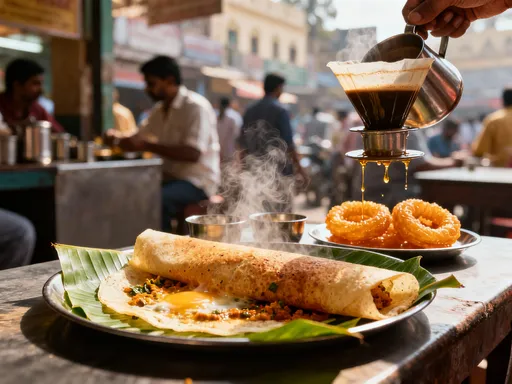
Commerce in Varanasi operates on a different clock than modern consumer culture. Here, transactions unfold slowly, often beginning with a cup of chai and ending with a blessing. This is not inefficiency—it is intentionality. The traditional economy of the city is rooted in relationships, reciprocity, and respect for natural limits. Vendors do not stockpile inventory or rely on global supply chains. Instead, they produce what can be made by hand, sourced locally, and sold with dignity. This slow rhythm of exchange aligns closely with principles of sustainability, offering an alternative to the waste and detachment of mass tourism.
Consider the contrast: in many tourist destinations, souvenirs are shipped from factories thousands of miles away, made from synthetic materials, and sold at artificially low prices. In Varanasi, the opposite is often true. A handwoven shawl may cost more, but its value is transparent—woven over days, dyed with plants, sold by the weaver’s family. The price reflects not just labor, but legacy. Similarly, a spice vendor who grows his own turmeric will charge fairly, but his product lasts longer, tastes richer, and leaves no plastic waste behind.
One inspiring example is a small shop near Assi Ghat run by a third-generation dyer who uses only solar-dried pigments and compostable packaging. His silks are labeled with the names of the plants used—indigo, babool bark, marigold petals—and he educates customers on how each color is extracted. He refuses to cut corners, even when demand rises during festival seasons. “If we rush,” he says, “the color forgets its origin.” This philosophy—of honoring process over profit—is echoed in many family-run businesses across the city. For the conscious traveler, choosing such vendors is not just about quality; it’s about aligning one’s spending with values of care, continuity, and ecological responsibility.
Navigating the Markets with Meaning
Shopping in Varanasi is as much about how you engage as what you buy. Timing matters. The best hours to explore are early morning or late afternoon, when the light is soft and the river is most active. At dawn, the ghats are alive with ritual and movement; by midday, the heat can be intense, and many artisans rest. Visiting during cooler hours not only makes the experience more comfortable but also increases the chance of meaningful interaction—of seeing a weaver at work or a spice seller sorting his latest batch.
Respectful engagement begins with small gestures. A simple “Namaste” goes a long way. Learning a few basic phrases in Hindi—such as “kitna hai?” (how much?) or “dhanyavad” (thank you)—shows appreciation for the local culture. Bargaining is common, but it should be done with kindness, not aggression. Remember, many vendors are not wealthy entrepreneurs but custodians of ancestral trades. A fair price—one that honors the time, material, and skill involved—is always better than a haggled-down sum that undermines dignity.
When evaluating authenticity, look for signs of natural sourcing and handmade quality. Real Banarasi silk will have slight irregularities in the weave—proof of human hands at work. Natural dyes fade gradually, not all at once, and often deepen with age. Spices should smell vibrant, not stale, and be sold in whole form whenever possible. Hand-carved items will show tool marks, not machine-perfect symmetry. Above all, ask questions. Inquire about the making process, the materials, the family behind the craft. These conversations enrich the experience, turning a simple purchase into a moment of connection.
Taking Nature Home: The Lasting Value of Mindful Shopping
A souvenir from Varanasi is not just an object—it is a vessel of memory, meaning, and continuity. When you unfold a saffron-dyed scarf at home, you may recall the morning light on the Ganges. When you open a jar of hand-sorted cumin, you might remember the spice seller’s smile, the way he let you smell each batch before choosing. These items carry more weight than typical trinkets because they are rooted in place, in people, in natural cycles. They are not mass-produced to be discarded but crafted to endure, to be used, to be cherished.
More than that, they represent a different way of relating to the world—one based on reverence rather than extraction. In choosing to buy mindfully in Varanasi, you affirm the value of slow creation, of ecological harmony, of cultural preservation. You support artisans who maintain traditions that might otherwise fade. You contribute to an economy that values balance over growth, depth over convenience.
And perhaps, in time, these small acts of conscious consumption begin to reshape our own lives. The silk shawl becomes more than clothing; it becomes a reminder to move with intention. The brass lamp, lit during a quiet evening, recalls the flicker of aarti flames on sacred water. In this way, shopping transcends its usual role. It becomes a form of pilgrimage—a way of carrying the spirit of Varanasi into the everyday, of weaving nature, culture, and meaning into the fabric of home.