Glow From Within: How Real Food Transformed My Skin for Good
Ever feel like your skin just won’t cooperate, no matter how many fancy creams you try? I’ve been there—redness, breakouts, that dull, tired look. Then I shifted focus from outside-in to inside-out. What changed? My plate. Turns out, what you eat doesn’t just fuel your body—it rebuilds your skin. This isn’t a quick fix, but a proven, natural shift that actually works. Let me walk you through the foods and habits that gave me the glow I’d been chasing for years. It wasn’t about drastic diets or expensive supplements. It was about choosing real, nourishing food consistently—and watching my skin transform as a result.
The Skin-Food Connection: Why What You Eat Shows on Your Face
Skin is more than a surface—it’s a living, breathing organ that reflects what’s happening inside the body. Every bite of food influences the biological processes that either support or undermine skin health. When inflammation rises due to poor dietary choices, it often shows up as redness, puffiness, or acne. Similarly, dehydration and nutrient deficiencies can leave skin looking lackluster and feel rough to the touch. The digestive system, liver function, and hormonal balance—all affected by diet—play critical roles in how clear, firm, and radiant the skin appears.
Processed foods, especially those high in refined sugar and unhealthy fats, are among the biggest contributors to skin distress. Studies have shown a strong association between high-glycemic diets and increased acne severity. When blood sugar spikes, it triggers insulin release, which in turn can stimulate oil production in the sebaceous glands. This excess sebum, combined with dead skin cells, creates an environment where acne-causing bacteria thrive. Many women in their 30s and beyond notice breakouts around the jawline or chin—often linked to hormonal fluctuations that are worsened by poor diet.
Dairy is another common dietary trigger. While not everyone reacts the same way, research suggests that milk, particularly skim milk, may contain hormones and growth factors that influence insulin-like growth factor 1 (IGF-1), contributing to inflammation and acne. This doesn’t mean everyone must eliminate dairy, but becoming mindful of how it affects your skin can be revealing. For example, some women notice improvements simply by switching from cow’s milk to plant-based alternatives like oat or almond milk.
The idea that food can act as medicine for the skin is not new, but it’s gaining renewed attention in both dermatology and nutrition science. The gut-skin axis—a bidirectional relationship between gut health and skin condition—highlights how a balanced microbiome supports a clear complexion. Fiber-rich foods, fermented items like yogurt or sauerkraut, and prebiotic vegetables such as onions and garlic help maintain this balance. When the gut is healthy, inflammation decreases, and the skin often follows suit. The shift from treating skin as a cosmetic concern to viewing it as a reflection of internal wellness marks a powerful change in how we approach beauty and health.
The Core Nutrients That Build Radiant Skin
To build strong, glowing skin, the body needs specific nutrients that support its structure, repair mechanisms, and defense systems. These are not miracle cures, but essential components that work quietly and consistently to maintain skin integrity. Among the most important are antioxidants, healthy fats, minerals, and compounds that support collagen production. Each plays a distinct role, and together, they create the foundation for a resilient, luminous complexion.
Antioxidants such as vitamins C and E are crucial for protecting skin from oxidative stress caused by environmental factors like UV exposure and pollution. Vitamin C, found abundantly in citrus fruits, bell peppers, and broccoli, is also a key player in collagen synthesis. Collagen, the protein that gives skin its firmness and elasticity, naturally declines with age. By consuming enough vitamin C, the body can continue producing collagen more effectively, helping to reduce the appearance of fine lines over time. Vitamin E, present in nuts, seeds, and plant oils, works synergistically with vitamin C to neutralize free radicals and strengthen the skin’s natural barrier.
Omega-3 fatty acids, primarily found in fatty fish like salmon, mackerel, and sardines, as well as in flaxseeds and walnuts, are powerful anti-inflammatory agents. They help keep cell membranes flexible and hydrated, which translates to plumper, smoother skin. Women who struggle with dryness or conditions like eczema may find significant relief by increasing their intake of omega-3s. These fats also help regulate the body’s inflammatory response, reducing the likelihood of flare-ups and persistent redness.
Zinc is another vital mineral for skin health. It supports wound healing, regulates oil production, and has antimicrobial properties that help control acne. Oysters are the richest source, but zinc is also available in pumpkin seeds, lentils, and lean meats. A deficiency in zinc, though rare in developed countries, can manifest as delayed healing, brittle nails, and increased susceptibility to breakouts. Ensuring adequate intake—through food rather than supplements, unless advised by a healthcare provider—can make a noticeable difference in skin resilience.
Finally, compounds that support collagen go beyond vitamin C. Bone broth, though not a necessity, contains gelatin and amino acids like glycine and proline, which are building blocks of collagen. While the body can produce collagen from plant-based proteins as well, including a variety of protein sources ensures a full amino acid profile. Additionally, foods rich in silica, such as cucumbers, bell peppers, and oats, may support connective tissue health. The goal is not perfection, but consistency—daily nourishment that adds up over time.
My Daily Eating Rhythm: A Practical Framework (Not a Diet)
One of the most transformative shifts I made wasn’t about cutting out entire food groups or following a strict regimen—it was about creating a sustainable eating rhythm. This approach focuses on balance, timing, and mindfulness, rather than restriction. It’s not a diet in the traditional sense, but a way of organizing meals to support energy, digestion, and, ultimately, skin health. The idea is to eat in a way that feels natural and satisfying, so it can be maintained for years, not just weeks.
Breakfast sets the tone for the day. Instead of sugary cereals or pastries that lead to mid-morning crashes, I now aim for a balanced combination of protein, healthy fats, and fiber. A typical breakfast might include scrambled eggs with spinach and avocado, or Greek yogurt with berries and a sprinkle of chia seeds. These meals provide steady energy and help prevent insulin spikes that can contribute to skin inflammation. Eating within an hour of waking also supports metabolic balance, which in turn influences hormonal regulation—important for maintaining clear skin.
Lunch is the anchor of my eating pattern. I prioritize nutrient-dense foods that keep me full and focused through the afternoon. A large salad with mixed greens, grilled chicken or chickpeas, roasted vegetables, and a drizzle of olive oil is both satisfying and skin-supportive. The fiber from vegetables aids digestion, while the protein and healthy fats promote satiety. I’ve learned that skipping lunch or relying on quick snacks often leads to overeating later, which can disrupt sleep and digestion—both of which affect skin quality.
Dinner is lighter and earlier, usually consumed at least two to three hours before bedtime. This allows for proper digestion and supports restful sleep, which is essential for skin repair. I focus on lean proteins like fish or tofu, paired with steamed or roasted vegetables and a small portion of complex carbohydrates like sweet potato or quinoa. Heavy, greasy meals late at night can lead to indigestion and may contribute to puffiness or breakouts, so I’ve found that simplicity works best in the evening.
Snacks, when needed, are whole-food based. A handful of almonds, an apple with almond butter, or a small bowl of cottage cheese provide nutrients without spiking blood sugar. The key is listening to hunger cues and avoiding mindless eating, especially in front of the television or computer. Over time, this rhythm has helped stabilize my energy, improve digestion, and, most noticeably, clear up my skin. It’s not about being perfect—sometimes I enjoy a slice of cake or a takeout meal—but consistency matters more than occasional indulgences.
Foods That Became My Skin’s Best Friends
As I shifted my eating habits, certain foods stood out for their visible impact on my skin. These aren’t exotic superfoods or expensive imports, but accessible, everyday items that I now consider essential. Each one brings a unique combination of nutrients that support hydration, reduce inflammation, and promote cellular renewal. Incorporating them into my routine didn’t require drastic changes—just small, intentional choices that added up over time.
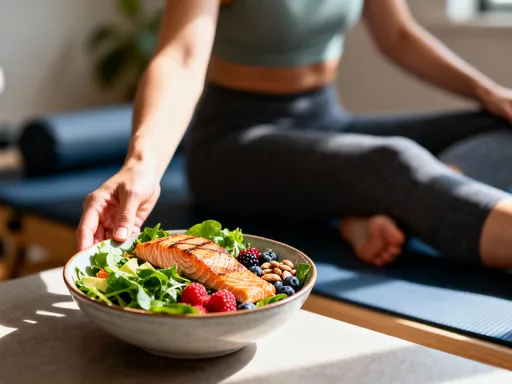
Salmon quickly became a weekly staple. Rich in omega-3 fatty acids, it helped reduce the dry, flaky patches that used to plague my cheeks, especially in winter. Within three weeks of eating salmon twice a week, my skin felt softer and looked more even. The healthy fats in salmon also support the skin’s lipid barrier, which helps retain moisture and protect against environmental irritants. Grilled, baked, or pan-seared with herbs and lemon, it’s a simple yet powerful addition to any meal.
Sweet potatoes are another favorite. Packed with beta-carotene, a precursor to vitamin A, they contribute to skin cell turnover and help protect against sun damage. Vitamin A is essential for maintaining smooth, healthy skin and preventing clogged pores. I enjoy sweet potatoes roasted, mashed, or sliced into salads. Their natural sweetness satisfies cravings for sugary snacks, making them a smart alternative for those trying to reduce refined sugar intake.
Avocados have earned their reputation as a skin superfood. Their high content of monounsaturated fats and vitamin E helps keep skin supple and hydrated. I add avocado to salads, spread it on toast, or blend it into smoothies. The creamy texture makes meals more satisfying, which helps prevent overeating. Women who struggle with dry or mature skin often notice improvements simply by including more healthy fats like avocado in their diet.
Green tea has become my go-to beverage. Unlike coffee, which can sometimes trigger jitteriness or disrupt sleep, green tea provides a gentle energy boost along with a wealth of antioxidants, particularly epigallocatechin gallate (EGCG). This compound has been studied for its anti-inflammatory and photoprotective properties. I drink one to two cups daily, often in the late morning or early afternoon. Some research suggests that regular green tea consumption may help reduce sebum production and improve acne, making it a valuable ally for clearer skin.
Tomatoes are rich in lycopene, a powerful antioxidant that gives them their red color. Lycopene has been shown to help protect skin from UV damage, especially when consumed with a source of fat like olive oil, which enhances its absorption. Cooked tomatoes, such as those in sauces or soups, actually provide more bioavailable lycopene than raw ones. I incorporate tomato-based dishes into my weekly meals, knowing they’re not only delicious but also supportive of long-term skin health.
Walnuts are a convenient, nutrient-dense snack. They contain a favorable ratio of omega-3 to omega-6 fatty acids, which helps balance inflammation in the body. Most Western diets are high in omega-6s from processed oils, so adding omega-3-rich foods like walnuts can help restore equilibrium. A small handful a day provides protein, fiber, and skin-loving fats without excess calories. I keep them in a jar on the counter as a reminder to choose them over less nutritious options.
What I Cut Back On (And Why It Mattered)
Improving my diet wasn’t just about adding good foods—it was also about reducing the ones that were holding my skin back. I didn’t eliminate anything completely, as strict restrictions often lead to burnout and rebound cravings. Instead, I practiced mindful reduction, paying attention to how certain foods made me feel and look. Over time, patterns emerged, and some choices became easier to let go of.
Sugar was the first to go—mostly. I stopped buying soda and limited myself to one sugary treat per week, if that. The change was striking: within a month, my afternoon energy crashes disappeared, and my skin looked less puffy and inflamed. High-sugar diets are linked to increased glycation, a process where sugar molecules attach to proteins like collagen, making them stiff and less functional. This contributes to premature aging and loss of elasticity. By cutting back on added sugars, I gave my body a chance to repair and rebuild more effectively.
Refined carbohydrates, like white bread, pastries, and packaged snacks, were another target. These foods break down quickly into glucose, spiking insulin levels and promoting inflammation. I noticed that on days when I ate a bagel or muffin for breakfast, my skin looked duller by midday. Switching to whole grains like oats, quinoa, and whole wheat bread made a noticeable difference in both my energy and complexion. The fiber in whole grains also supports gut health, which, as mentioned earlier, is closely tied to skin clarity.
Processed snacks—chips, cookies, candy bars—were the hardest to give up, but I found that replacing them with whole-food alternatives made the transition smoother. Instead of reaching for a bag of chips, I’d have sliced cucumbers with hummus or a small handful of mixed nuts. These swaps not only satisfied my cravings but also provided nutrients that supported my skin. The key was preparation: having healthy options readily available made it easier to make better choices in the moment.
One of the most impactful changes was giving up my daily soda habit. I used to drink a can in the afternoon for a quick pick-me-up, but it only led to a crash an hour later. When I switched to sparkling water with lemon or herbal tea, my energy stabilized, and my skin cleared up significantly. The reduction in sugar and artificial ingredients removed a major source of internal stress, allowing my body to function more optimally. This wasn’t about deprivation—it was about upgrading to choices that made me feel better in every way.
Hydration: More Than Just Drinking Water
Hydration is often oversimplified as “drink eight glasses a day,” but the truth is more nuanced. While water is essential, hydration also comes from food, electrolytes, and overall fluid balance. Many women drink plenty of water but still experience dry skin, which suggests that hydration is about more than just volume—it’s about quality and absorption.
Water-rich foods play a major role in maintaining hydration. Cucumbers, celery, tomatoes, and watermelon are not only low in calories but also packed with water and essential minerals. Including these in meals and snacks boosts fluid intake naturally and provides nutrients that support skin elasticity. A simple salad with cucumber, tomato, and olive oil, for example, delivers hydration, antioxidants, and healthy fats—all in one dish.
Electrolytes such as sodium, potassium, and magnesium are crucial for fluid balance. Without them, water may not be retained effectively in cells. This is why some people drink water but still feel dehydrated. Eating a balanced diet that includes vegetables, fruits, nuts, and small amounts of sea salt helps maintain electrolyte levels. Coconut water, in moderation, can also be a natural source of electrolytes, though it’s not necessary for everyone.
Herbal teas like chamomile, peppermint, and rooibos contribute to hydration without the diuretic effect of caffeine. I’ve made it a habit to drink a warm beverage between meals, which helps me stay hydrated and reduces the urge to snack. Warm lemon water in the morning is another simple ritual that supports digestion and provides a small dose of vitamin C.
The “eight glasses” rule is a helpful guideline, but individual needs vary based on activity level, climate, and body size. A better indicator of hydration is urine color—pale yellow suggests adequate intake, while dark yellow signals the need for more fluids. Listening to your body and adjusting fluid intake accordingly is more effective than following a rigid rule. When skin looks plump and feels soft, it’s often a sign that hydration is on track.
Putting It All Together: Building Your Skin-Boosting Plate
With so many factors to consider, it’s easy to feel overwhelmed. But the good news is that healthy skin doesn’t require complicated recipes or expensive ingredients. A simple, visual framework can guide daily choices and make the process intuitive. I now think of my plate in thirds: half filled with colorful vegetables, one-quarter with lean protein, and one-quarter with complex carbohydrates. This balance ensures a wide range of nutrients while keeping blood sugar stable.
A typical skin-supportive meal might include grilled salmon (protein), a large portion of roasted broccoli and carrots (vegetables), and a small serving of quinoa (complex carb). Drizzled with olive oil and seasoned with herbs, it’s flavorful, satisfying, and deeply nourishing. Another option is a bowl of lentil soup with a side of steamed kale and a slice of whole grain bread. The key is variety—rotating different vegetables, proteins, and grains to avoid nutrient gaps.
Meal prep doesn’t have to be time-consuming. I spend about an hour on Sunday roasting a batch of vegetables, cooking a pot of quinoa or brown rice, and grilling a few chicken breasts or fish fillets. These components can be mixed and matched throughout the week, saving time and reducing decision fatigue. Having healthy ingredients on hand makes it easier to resist the temptation of takeout or processed foods.
Snacks can follow a similar principle: pair a healthy fat with a fiber source. Apple slices with almond butter, carrot sticks with hummus, or a small handful of walnuts with a few berries all provide sustained energy and skin-supportive nutrients. These combinations help prevent blood sugar spikes and keep hunger at bay.
Finally, seasoning matters. Instead of relying on salt and sugar, I use herbs, spices, lemon juice, and vinegar to add flavor. Turmeric, for example, contains curcumin, a compound with strong anti-inflammatory properties. Black pepper enhances its absorption. Garlic and ginger also offer antioxidant and immune-supportive benefits. These simple additions elevate meals while supporting overall health.
Conclusion: Your Skin Reflects Your Lifestyle—Make It Glow
True radiance doesn’t come from a jar or a bottle—it comes from consistent, everyday choices. What we eat, how we hydrate, and the rhythms we create all contribute to the health of our skin. This journey isn’t about perfection or immediate results. It’s about building a lifestyle that supports long-term wellness and natural beauty. The changes may seem small—a piece of salmon here, a cup of green tea there—but over time, they add up to a visible transformation.
Skincare products have their place, but they work best when supported by a strong internal foundation. No serum can compensate for chronic dehydration, and no cleanser can override the effects of a high-sugar diet. By focusing on real food, women can empower themselves to take control of their skin health in a sustainable, joyful way. It’s not about restriction, but about nourishment—about choosing foods that make you feel as good as they make you look.
Results take time. Most women begin to notice improvements in texture and clarity within four to six weeks, but deeper changes may take months. Patience and self-observation are key. Keeping a simple food and skin journal can help identify patterns and celebrate progress. The goal is not flawless skin, but healthier, more resilient skin that reflects a life well cared for.
You’re not just eating to satisfy hunger—you’re feeding your future glow. Every meal is an opportunity to support your body, honor your health, and cultivate a natural radiance that shines from within. And that kind of beauty lasts far longer than any trend.