How I Fixed My Daily Aches with Simple Massage Moves—No Gym Required
Ever felt stiff after sitting all day? I did—until I discovered how everyday massage techniques could transform my comfort and energy. This isn’t about fancy spa trips or instant fixes. It’s real, simple, and fits into a busy life. I tested small changes myself and noticed real relief. Think of it as tuning your body daily, like charging a phone. In this article, we’ll explore how targeted self-massage can support long-term wellness and make everyday movement easier—naturally and safely.
The Hidden Cost of Daily Stress on Your Body
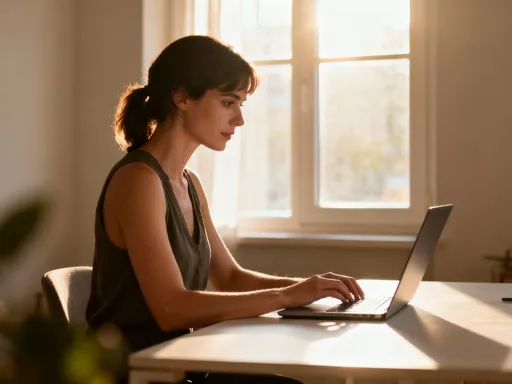
Modern life often demands long hours at a desk, frequent screen use, and minimal physical movement—conditions that quietly take a toll on the body. Many women between 30 and 55 find themselves battling persistent neck tightness, shoulder stiffness, or lower back discomfort without realizing the root cause. These symptoms are not random; they are the result of accumulated physical stress. Prolonged sitting compresses the spine, reduces circulation, and encourages poor posture, which over time leads to muscle imbalances and chronic tension.
Repetitive motions, such as typing or looking down at a phone, further strain specific muscle groups. The neck and upper back, in particular, bear the brunt of what is commonly called “tech neck.” The trapezius and levator scapulae muscles tighten from holding the head forward, leading to headaches, reduced range of motion, and even jaw tension. Meanwhile, the lower back suffers from weakened glutes and tight hip flexors, a common pattern among those who sit for extended periods. These changes happen gradually, often going unnoticed until pain becomes unavoidable.
What many overlook is that these issues are not inevitable signs of aging but are largely preventable with awareness and small daily actions. The body is designed for movement, not stillness. When muscles remain inactive for too long, they lose elasticity and begin to hold tension like coiled springs. Blood flow slows, metabolic waste builds up, and nerves can become irritated. Over time, this physical strain affects not just comfort but also sleep quality, energy levels, and emotional well-being. Recognizing these early warning signs is the first step toward meaningful change.
For women managing households, careers, and family responsibilities, physical discomfort can feel like just another item on an already overwhelming list. But ignoring it only deepens the cycle. The good news is that relief does not require drastic measures. By understanding how daily habits contribute to physical strain, it becomes possible to interrupt the pattern with simple, accessible interventions. The focus should not be on fixing pain after it appears but on preventing it through consistent, mindful care.
Why Massage Therapy Works—Beyond Just Relaxation
Massage is often associated with luxury or occasional indulgence, but its benefits go far beyond momentary relaxation. When applied regularly and correctly, massage supports the body’s natural healing processes. One of its primary effects is improving circulation. Increased blood flow delivers oxygen and nutrients to muscles while helping remove metabolic byproducts like lactic acid, which contribute to soreness and stiffness. This physiological shift supports recovery and reduces inflammation, making daily movement feel smoother and less effortful.
Another key benefit is the breakdown of muscle knots, also known as myofascial trigger points. These are tight, sensitive areas within muscle tissue that can refer pain to other parts of the body. For example, a knot in the upper shoulder might cause discomfort that radiates into the neck or arm. Gentle, sustained pressure applied during self-massage helps release these adhesions, restoring normal muscle function. Over time, this can lead to improved posture and reduced strain on joints.
Massage also has a direct impact on the nervous system. When pressure is applied to soft tissues, it stimulates mechanoreceptors—sensory nerve endings that respond to touch and pressure. This input signals the brain to shift from a state of alertness to one of calm, activating the parasympathetic nervous system. This is the same system responsible for rest, digestion, and recovery. As stress hormones like cortisol decrease, the body enters a state more conducive to healing and relaxation. This explains why many people feel not only physically looser but also mentally clearer after a massage session.
It is important to understand that these benefits are cumulative. A single session may offer temporary relief, but lasting change comes from consistency. Just as brushing your teeth daily prevents dental issues, regular self-massage helps maintain muscle health and prevents tension from building up. The goal is not to achieve perfection in one go but to establish a routine that supports long-term wellness. This approach aligns with the body’s natural rhythms, emphasizing prevention rather than crisis management. When integrated into daily life, self-massage becomes less of a chore and more of a nourishing habit.
Everyday Techniques You Can Actually Stick To
The most effective self-massage techniques are those that fit seamlessly into a busy schedule. The key is simplicity and repeatability. Three foundational methods—hand massage, foam rolling, and targeted ball work—can be performed at home with minimal setup. Each targets common areas of tension: the neck, shoulders, and lower back. By dedicating just 5 to 10 minutes a day, most people can experience noticeable improvements in comfort and mobility within a few weeks.
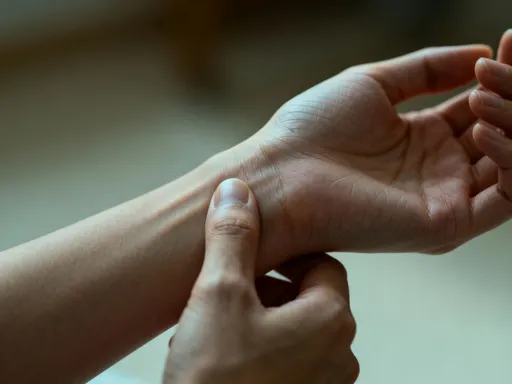
For the neck and shoulders, gentle hand massage is highly effective. Begin by sitting upright in a chair with feet flat on the floor. Use your fingertips to apply light to moderate pressure along the base of the skull, moving slowly from the center outward. This area often holds tension from stress and screen use. Next, work into the upper trapezius muscles—the thick bands that run from the neck to the shoulders. Use circular motions or slow kneading, adjusting pressure based on comfort. Avoid pressing directly on the spine or throat. Ten to fifteen slow strokes on each side can significantly reduce stiffness and promote relaxation.
The lower back benefits from both hand pressure and tools like a foam roller or massage ball. While lying on your back with knees bent, place a foam roller horizontally under the lower back, just above the pelvis. Gently shift your weight side to side, allowing the roller to apply pressure to tight areas. Limit sessions to 2–3 minutes to avoid overstimulation. Alternatively, a tennis ball or dedicated massage ball can be used against a wall. Stand with the ball between your back and the wall, then slowly move your body to locate tender spots. Hold gentle pressure for 20–30 seconds, allowing the muscle to release. This method is especially useful for reaching deeper tissues that hands alone cannot access.
Timing and consistency matter more than duration. Performing these techniques daily, even for a few minutes, yields better results than longer, infrequent sessions. Many find success by “habit stacking”—linking self-massage to an existing routine. For example, rolling the feet with a ball while brushing teeth, or doing neck stretches while waiting for the kettle to boil. These small integrations make the practice sustainable. Over time, the body begins to expect and respond to this daily attention, leading to improved posture, reduced discomfort, and greater body awareness.
Tools That Help—Without Breaking the Bank
While professional massage tools are available, effective self-massage does not require expensive equipment. Several affordable, widely available options can deliver excellent results. A basic foam roller, for instance, costs under $30 and can be used for the back, legs, and glutes. Choose a medium-density roller for balance between support and comfort. For those new to rolling, a shorter length (12–18 inches) is easier to manage and store.
Handheld massagers, often battery-operated, offer targeted vibration and percussion. These can be useful for stubborn muscle tightness, especially in the shoulders or calves. While more costly than manual tools, many models are priced under $50 and last for years with proper care. However, it is important to note that intensity should be moderate—excessive vibration can irritate tissues rather than soothe them. Start on the lowest setting and increase only if needed.
One of the most accessible tools is the tennis ball. Placed inside a sock and secured with a knot, it becomes a portable massage device. Press it against a wall or the floor to target the upper back, hips, or feet. For foot rolling, a frozen water bottle can serve a dual purpose: the cold reduces inflammation while the firm surface massages the plantar fascia. This is particularly helpful for those who spend long hours standing or wearing unsupportive shoes.
The effectiveness of any tool depends more on technique than cost. A well-placed tennis ball used with proper form can be more beneficial than an expensive massager used incorrectly. Beginners should focus on learning how to apply steady, controlled pressure without forcing or bouncing. The goal is to encourage release, not create pain. Over time, users can experiment with different tools to find what works best for their body and lifestyle. The most sustainable routine is one that feels manageable, not overwhelming.
When to Seek Professional Support
Self-massage is a powerful tool for maintaining comfort and mobility, but it is not a substitute for professional medical care. It works best for mild to moderate muscle tension and general stiffness. However, if pain is sharp, persistent, or accompanied by numbness, tingling, or weakness, it is important to consult a licensed healthcare provider. These symptoms may indicate underlying conditions such as nerve compression, joint dysfunction, or musculoskeletal injuries that require expert evaluation.
Licensed massage therapists, physical therapists, and chiropractors can provide targeted treatments that go beyond what self-care can achieve. A professional can assess posture, identify muscle imbalances, and use advanced techniques to release deep tension. They can also guide individuals in developing a safe and effective home routine tailored to their specific needs. For example, someone with chronic lower back discomfort may benefit from a therapist’s assessment before beginning self-massage to avoid aggravating a sensitive area.
Professional sessions can also serve as a reset, especially after periods of increased physical demand or stress. Even those with a consistent self-care practice may find value in occasional expert intervention. Think of it as a tune-up for the body—just as a car needs periodic maintenance, so does the human frame. These visits can provide both physical relief and renewed motivation to continue daily habits.
It is also worth noting that self-massage should not delay necessary medical treatment. While many aches and pains respond well to movement and soft tissue work, others may require diagnosis and targeted therapy. Women in their 30s to 50s may experience changes related to hormonal shifts, activity levels, or past injuries that affect musculoskeletal health. A healthcare provider can help navigate these changes safely. The goal is to use self-massage as part of a broader wellness strategy, not as a standalone solution.
Building a Sustainable Self-Care Habit
One of the biggest challenges is not knowing how to massage, but remembering to do it regularly. Lasting change comes not from intensity but from consistency. The most effective self-care routines are built on small, repeatable actions that become second nature. The mindset shift—from viewing self-massage as a chore to seeing it as an act of daily maintenance—is crucial. Just as brushing your teeth prevents cavities, daily body care prevents stiffness and supports long-term mobility.
Pairing self-massage with other healthy habits can reinforce the routine. Hydration, for instance, plays a key role in muscle function. Well-hydrated tissues are more elastic and respond better to pressure. Stretching after massage can also enhance flexibility and help maintain the gains in range of motion. Even short mindful breaks—pausing to breathe deeply or adjust posture—can reduce the buildup of tension throughout the day.
Behavioral strategies like habit stacking and environmental cues improve adherence. Try rolling your shoulders while waiting for the microwave, or using a foam roller while watching the evening news. Setting a gentle reminder on your phone or placing tools in visible areas—like next to your bed or favorite chair—can prompt action without effort. Tracking progress subtly, such as noting how you feel each morning, can also reinforce motivation. Over time, the habit becomes less about discipline and more about self-respect.
The emotional benefits are often overlooked. Regular self-massage fosters a deeper connection with the body. Many women report feeling more grounded, less anxious, and more in tune with their physical needs. This heightened awareness can lead to better sleep, improved focus, and greater confidence in daily activities. It is not just about reducing pain but about enhancing overall well-being. When self-care becomes a non-negotiable part of the day, it sends a powerful message: your body matters.
Real-Life Benefits: How My Days Changed
Before I began my self-massage routine, my mornings often started with stiffness and a sense of heaviness. Simple tasks like reaching for a high shelf or bending to tie a shoe required effort. I relied on occasional pain relievers and stretches, but the relief was short-lived. After committing to just five minutes a day of targeted massage, I noticed changes within two weeks. My neck felt looser, my shoulders dropped from their habitual hunch, and my lower back no longer protested after sitting.
The physical improvements were welcome, but the non-physical gains surprised me. Mornings became calmer. Instead of rushing into the day, I started with a few minutes of intentional care. This small pause set a more centered tone for the hours ahead. I also became more aware of my posture during the day, catching myself before slouching or craning my neck toward the screen. This awareness reduced the need for correction later.
Over time, I found I needed fewer over-the-counter pain remedies. My energy levels improved, likely due to better circulation and reduced muscle fatigue. I also slept more deeply, possibly because my body was not working overtime to manage tension. Perhaps most importantly, I began to feel more at home in my body. There was a quiet confidence in knowing I had tools to support myself, no matter how busy life became.
These changes did not happen overnight. They were the result of small, repeated efforts. But their cumulative effect transformed my daily experience. What started as a search for pain relief became a practice of self-respect. It reminded me that wellness is not about dramatic interventions but about showing up for yourself, day after day. The body responds to attention—gentle, consistent, and kind.