How I Stay Ahead of Aging — My Real Health Check Journey
Aging quietly reshapes our bodies long before we notice the signs. For years, I ignored small changes—low energy, slower recovery, occasional stiffness—until a routine health check revealed what really was happening inside. That moment changed everything. What if we could track aging not by wrinkles, but by real data? This is my journey into long-term health assessment, where prevention beats panic and awareness becomes power. You’re not just getting older—you’re learning how to do it better.
The Wake-Up Call: When I Realized Aging Wasn’t Just Skin Deep
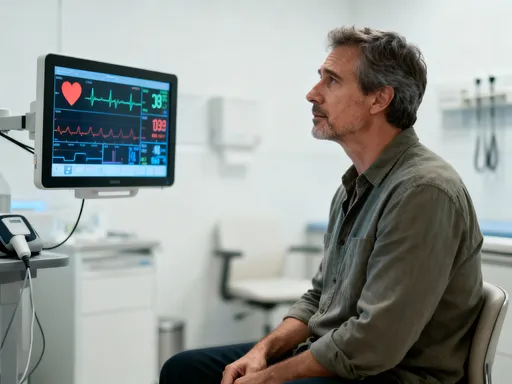
Like many women in their early fifties, I had grown accustomed to dismissing fatigue as part of being busy. Aches after gardening? Normal. Needing more coffee to stay alert? Expected. Trouble sleeping through the night? Just a phase. I told myself these were minor inconveniences—signs of a full life, not failing health. But during a routine physical that I almost skipped, my doctor suggested a comprehensive panel beyond the standard cholesterol and blood pressure check. What came back was not what I expected.
The results showed elevated C-reactive protein, an indicator of systemic inflammation. My fasting glucose was creeping into the prediabetic range, despite my weight remaining stable. Vitamin D levels were low, and my thyroid-stimulating hormone was slightly elevated—subtle shifts, but collectively alarming. I wasn’t sick, but I wasn’t truly well either. For the first time, I saw that aging wasn’t just about looking in the mirror; it was about what was happening beneath the surface, quietly and invisibly. This wasn’t a crisis, but it was a warning—one I could no longer ignore.
The emotional response was complex. I felt surprised, yes, but also frustrated—with myself for not paying closer attention, and with the healthcare system for not flagging these markers earlier. I had always thought of doctor visits as a formality, a box to check once a year. Now I realized they could be a window into my long-term well-being. That shift—from reactive to proactive—was the most important outcome of that appointment. I wasn’t broken, but I was at a crossroads. And for the first time, I felt empowered to choose a different path.
Rethinking Aging: It’s Not a Date on a Calendar, It’s a Biological Process
We often measure age by birthdays, but science tells us a more accurate picture lies in our biology. Chronological age is fixed, but biological age reflects how well our cells, organs, and systems are functioning. Think of it like this: two cars made in the same year can have very different conditions—one well-maintained, the other neglected. The same is true for our bodies. Some people at 60 have the vitality of someone much younger; others feel worn down by 50. The difference often comes down to lifestyle, genetics, and, crucially, awareness.
Researchers have identified key biomarkers that help assess biological aging. Telomere length, the protective caps at the ends of our chromosomes, shortens with age and stress. HbA1c, a measure of average blood sugar over three months, reveals how well our metabolism is managing glucose. CRP, or C-reactive protein, signals inflammation, which is linked to nearly every chronic condition from heart disease to cognitive decline. VO₂ max, the maximum amount of oxygen the body can use during intense exercise, is one of the strongest predictors of longevity. And DEXA scans go beyond weight to show body composition—how much muscle, fat, and bone we actually carry.
What’s troubling is that most standard annual checkups don’t include these tests. A typical visit might check blood pressure and cholesterol, but it often misses early metabolic shifts, hormonal imbalances, or declining muscle mass—changes that start years before symptoms appear. This gap means many people are unaware of risks until it’s too late. The good news? These markers can be influenced. By tracking them, we gain the ability to respond before disease develops.
This leads to a powerful concept: healthspan. Unlike lifespan, which simply measures how long we live, healthspan refers to how many of those years we live in good health—free from chronic illness, pain, and disability. The goal isn’t just to reach 90; it’s to be active, engaged, and independent at 90. And the path to a longer healthspan begins with understanding our biology, not just accepting the passage of time.
My Health Assessment Toolkit: The Tests That Actually Made a Difference
After my wake-up call, I committed to a more thorough approach. I didn’t want to chase every possible test, but I did want a clear, science-backed picture of my internal health. I worked with my doctor to design an annual assessment plan that went beyond the basics. The foundation was an expanded blood panel, including full metabolic and lipid profiles, liver and kidney function, thyroid hormones, vitamin D, B12, and iron levels. These aren’t exotic tests—they’re accessible, covered by many insurance plans, and highly informative when tracked over time.
One of the most revealing additions was body composition analysis using a DEXA scan. Unlike the scale, which only shows total weight, this scan breaks down fat, lean muscle, and bone density. I discovered I had lost muscle mass over the past decade—a common but often overlooked change in midlife women. Known as sarcopenia, this loss affects metabolism, balance, and strength. Without this data, I would have kept focusing on weight alone, missing a critical piece of the puzzle.
I also added advanced cardiovascular screening. A carotid intima-media thickness (CIMT) test uses ultrasound to measure the thickness of the inner layers of the carotid artery. Increased thickness can indicate early atherosclerosis, even in people with normal cholesterol. Arterial stiffness tests, which assess how flexible the blood vessels are, provided another layer of insight. Stiff arteries are a strong predictor of heart events, and they’re influenced by blood pressure, inflammation, and lifestyle factors—all things I could potentially improve.
Finally, I began incorporating wearable data. My fitness tracker doesn’t diagnose anything, but it offers valuable trends—resting heart rate, sleep duration and quality, heart rate variability (HRV), and daily activity levels. When my resting heart rate crept up or my HRV dropped, it often coincided with periods of high stress or poor sleep. These weren’t medical results, but they were early warning signs that something was off. Together, these tools—lab tests, imaging, and wearable data—created a comprehensive picture of my health, not just a snapshot.
Patterns in the Data: What My Numbers Told Me About My Lifestyle
The real power of testing came not from single results, but from patterns over time. After six months of tracking, I began to see connections between my habits and my biomarkers. For example, my CRP levels, which measure inflammation, were consistently higher during periods when I slept less than six hours or ate more processed foods. When I improved my sleep and added more vegetables and omega-3s, the numbers trended downward. It wasn’t magic—it was cause and effect.
One of the biggest surprises was discovering early insulin resistance. My fasting glucose was borderline, and my HbA1c was in the high-normal range. I wasn’t overweight, and I exercised regularly, so this caught me off guard. But looking back, I realized my diet was high in refined carbohydrates—white bread, pasta, sugary snacks—especially during stressful weeks. My body was managing, but just barely. This insight shifted my thinking: being thin doesn’t mean being metabolically healthy. In fact, “skinny fat”—normal weight with high body fat and low muscle—is a growing concern, especially as we age.
Another revelation came from cortisol, the stress hormone. While I didn’t test it directly at first, my doctor suggested a salivary cortisol rhythm test when I reported ongoing fatigue and digestive discomfort. The results showed a flattened curve—high in the evening when it should have been low, and sluggish in the morning when it should have peaked. This pattern is common in chronic stress and is linked to poor sleep, weight gain, and weakened immunity. It also explained why I felt tired but wired at night and struggled to wake up in the morning.
These findings changed how I viewed health. It wasn’t just about feeling “okay” or avoiding illness. It was about balance—hormonal, metabolic, inflammatory. And the most important lesson was this: symptoms often lag behind biological changes. By the time we feel unwell, the process has been underway for years. But with data, we can see the early signs and respond before they become problems.
From Insight to Action: The Small Shifts That Stabilized My Biomarkers
Knowledge without action is just information. Once I had the data, I needed to make changes—sustainable ones. I didn’t adopt an extreme diet or a punishing workout routine. Instead, I focused on small, evidence-based adjustments that addressed the root causes revealed by my tests.
Diet was the first area I tackled. I reduced refined carbohydrates and added more fiber-rich vegetables, legumes, and whole grains. I prioritized healthy fats—avocado, nuts, olive oil—and increased my protein intake to support muscle maintenance. These changes helped stabilize my blood sugar and reduce insulin spikes. Within three months, my HbA1c improved, and my energy levels became more consistent throughout the day. I didn’t eliminate carbs or go keto; I simply chose higher-quality sources and paid attention to portion balance.
Exercise also evolved. I had always done brisk walking and yoga, but I realized I was missing strength training. After learning about sarcopenia, I started resistance exercises twice a week—using weights, resistance bands, and bodyweight movements. This not only helped preserve muscle but also improved my metabolism and bone density. I also incorporated more zone 2 cardio—moderate-intensity exercise where I could talk but not sing—for 30–45 minutes most days. This type of training enhances mitochondrial function and fat burning, both critical for long-term metabolic health.
Sleep hygiene became a priority. I set a consistent bedtime and wake time, even on weekends. I stopped using screens one hour before bed and kept my bedroom cool and dark. These changes improved my sleep quality, which in turn lowered my cortisol and boosted my HRV. My wearable showed that deep sleep increased, and nighttime awakenings decreased. I also started breathwork—simple diaphragmatic breathing for five minutes before bed—which helped calm my nervous system.
Stress management wasn’t just about relaxation; it was about rhythm. I scheduled digital detox periods, took short walks in nature, and practiced mindfulness. Over time, my cortisol pattern normalized, and I felt more resilient. The most measurable change was in my HRV, which rose steadily, indicating better autonomic balance. These weren’t dramatic fixes, but together, they created a foundation of stability that my body responded to quickly.
The Long Game: Why Consistency Beats Quick Fixes in Anti-Aging
In a world of quick fixes and viral wellness trends, it’s easy to believe that extreme measures yield the best results. Detoxes, juice cleanses, intense boot camps—these might produce short-term changes, but they rarely lead to lasting improvements in biological markers. What I’ve learned is that true anti-aging is not about transformation; it’s about consistency.
My biomarkers didn’t shift overnight. It took six to nine months to see meaningful changes in HbA1c, CRP, and body composition. But because the changes were gradual and sustainable, they stuck. I didn’t lose weight rapidly, but I lost fat and gained muscle—a slower process, but one that supports long-term health. My motivation also shifted. Early on, I was focused on how I looked. Now, I’m focused on how I feel and how my body is functioning. That internal shift—from appearance to vitality—has been the most powerful change of all.
Regular feedback from testing kept me on track. Seeing improvement in my numbers reinforced good habits; spotting a backslide prompted reflection, not guilt. For example, after a vacation with irregular sleep and more alcohol, my next blood test showed slightly elevated liver enzymes and CRP. Instead of panicking, I used it as a reminder to reset. This kind of self-awareness turns health into a continuous learning process, not a series of failures and restarts.
The lesson is clear: long-term health isn’t built in a month. It’s built in daily choices, repeated over years. And the most effective strategy isn’t perfection—it’s persistence. By making small, informed adjustments and tracking their impact, we create a lifestyle that supports our biology, not fights against it.
Empowerment Through Awareness: Building Your Own Prevention-Focused Routine
You don’t need a six-figure budget or a medical degree to take control of your health. What you do need is curiosity, commitment, and a willingness to look beneath the surface. Start by talking to your doctor about expanding your annual checkup. Ask about tests like HbA1c, vitamin D, thyroid function, and inflammation markers. If they’re hesitant, explain that you’re interested in prevention, not just diagnosis. Many of these tests are covered by insurance when ordered for clinical evaluation.
Consider adding a DEXA scan every few years to monitor body composition. If cardiovascular risk is a concern, discuss advanced screening options like CIMT or coronary calcium scoring. And don’t underestimate the value of wearable data—tracking sleep, activity, and HRV can provide daily feedback that complements lab results.
Build habits slowly. Choose one change at a time—better sleep, more protein, strength training—and stick with it for at least three months before adding another. Use your data to guide decisions, but don’t become obsessive. Health tracking should empower, not overwhelm. If numbers cause anxiety, talk to a trusted provider or health coach.
Finally, remember that aging is inevitable, but decline is not. With awareness, we gain the power to influence our trajectory. You don’t have to accept fatigue, stiffness, or weight gain as normal. You can measure, understand, and improve. This isn’t about living forever. It’s about living fully—with energy, clarity, and strength—for as long as you can.
True anti-aging isn’t about chasing youth—it’s about maintaining vitality, resilience, and clarity as time moves forward. My journey taught me that the most powerful tool isn’t a miracle supplement or extreme diet, but consistent, informed self-awareness. By treating health assessments as essential feedback—not just doctor’s appointments—we can make smarter choices today that echo far into the future. This isn’t about living forever. It’s about living fully, for as long as we can.