How Qi Gong Quietly Shields Your Health Before Illness Strikes
What if you could catch health imbalances before symptoms appear? For centuries, traditional Chinese wellness practices have emphasized prevention over cure. Among them, Qi Gong stands out—a gentle yet powerful system that aligns breath, movement, and awareness. I’ve seen how early engagement with Qi Gong helps regulate bodily functions, reduce stress, and support resilience. It’s not about fixing illness; it’s about nurturing balance long before disease takes root. This ancient practice, rooted in the philosophy of harmony between body, mind, and environment, offers a quiet but profound form of protection. By tuning into subtle internal signals and restoring the smooth flow of vital energy, Qi Gong becomes more than a routine—it becomes a lifelong shield against the slow creep of chronic illness.
The Hidden Cost of Waiting: Why Early Intervention Matters
Modern healthcare systems are built on reaction rather than prevention. People typically seek medical help only when pain, fatigue, or visible symptoms become unavoidable. Yet by the time these signs appear, underlying imbalances may have been developing for years. Conditions like high blood pressure, type 2 diabetes, and chronic anxiety often progress silently. According to the Centers for Disease Control and Prevention, more than 88 million adults in the United States have prediabetes, and over 84% of them do not know it. This delay in detection leads to higher treatment costs, reduced quality of life, and increased risk of complications such as heart disease or nerve damage.
The economic burden of late intervention is staggering. The American Heart Association reports that cardiovascular diseases cost the U.S. over $400 billion annually in healthcare services, medications, and lost productivity. These figures reflect not just medical expenses but also the emotional toll on families and caregivers. When illness reaches an advanced stage, treatment becomes more invasive, less effective, and often lifelong. This reactive model places immense strain on individuals and healthcare infrastructure alike. It highlights a critical gap: the need for accessible, sustainable methods to detect and correct imbalances long before they escalate into diagnosable conditions.
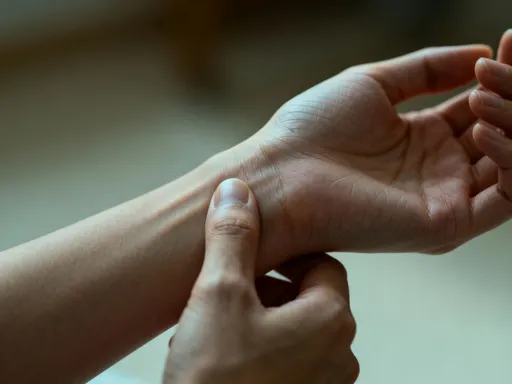
Traditional Chinese Medicine (TCM) has long addressed this gap through its focus on early detection and energetic balance. In TCM, health is seen as a state of harmonious Qi flow—the vital energy that sustains all physiological functions. When Qi becomes blocked, deficient, or excessive, it creates internal disharmony that, if unaddressed, can manifest as physical or emotional illness. Practitioners assess subtle signs such as tongue coating, pulse quality, and emotional patterns to identify imbalances at their earliest stages. This proactive approach allows for timely adjustments through diet, herbal support, acupuncture, and movement practices like Qi Gong.
Unlike Western medicine, which often waits for measurable biomarkers to cross diagnostic thresholds, TCM operates on a continuum of wellness. A person may not yet have hypertension, but if they exhibit signs of liver Qi stagnation—such as irritability, tight shoulders, and disrupted sleep—intervention begins immediately. This preventive mindset shifts the focus from managing disease to cultivating resilience. Qi Gong, as a core component of this system, enables individuals to participate actively in their own health maintenance. It empowers them to recognize early warning signals and respond with simple, non-invasive practices that restore balance before damage occurs.
Qi Gong Unpacked: More Than Just Gentle Movement
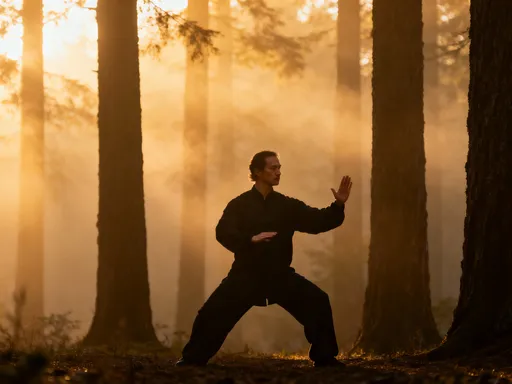
At first glance, Qi Gong may appear to be little more than slow stretching or rhythmic swaying. However, its simplicity belies a deep and structured methodology designed to influence both physical and energetic systems. The term "Qi Gong" translates to "cultivating energy," and the practice combines three essential elements: regulated breathing, mindful postures, and concentrated mental focus. Each movement is intentional, coordinated with inhalation and exhalation, and performed with awareness directed inward. This integration of body, breath, and mind sets Qi Gong apart from other forms of exercise and makes it uniquely suited for preventive health.
Unlike high-intensity workouts that stress the cardiovascular system, Qi Gong works gently to enhance internal regulation. Movements are low-impact, making the practice accessible to people of all ages and fitness levels. A person recovering from surgery, managing arthritis, or simply seeking daily balance can engage in Qi Gong without risk of strain. Its adaptability is one of its greatest strengths—practitioners can perform it standing, seated, or even lying down, adjusting intensity based on their current condition. This inclusivity ensures that preventive care is not limited to the physically able but extends to those most vulnerable to chronic illness.
Qi Gong differs from similar practices such as Tai Chi and yoga in both origin and emphasis. While Tai Chi evolved as a martial art with flowing sequences, Qi Gong is primarily therapeutic, focusing on specific energetic effects rather than self-defense or choreography. Yoga, though also mind-body oriented, often emphasizes flexibility and postural alignment through static holds. In contrast, Qi Gong prioritizes the circulation of Qi through dynamic, repetitive motions that stimulate meridians—the energy pathways described in TCM. For example, raising the arms overhead during "Lifting the Sky" is believed to activate the lung and large intestine meridians, supporting respiratory and digestive function.
The physiological benefits of these movements are supported by modern understanding of biomechanics and neurology. Slow, deliberate motion increases proprioception—the body's ability to sense its position in space—while deep breathing activates the parasympathetic nervous system. Together, these effects promote relaxation, improve joint mobility, and enhance coordination. Over time, consistent practice leads to better posture, reduced muscle tension, and improved circulation. These changes are not dramatic or immediate, but they accumulate steadily, creating a foundation of resilience that buffers against future health challenges.
The Science Behind the Stillness: What Research Shows
While Qi Gong originates from ancient traditions, its benefits are increasingly validated by scientific research. Numerous peer-reviewed studies have examined its impact on physiological markers associated with stress, inflammation, and autonomic function. A meta-analysis published in the Journal of Alternative and Complementary Medicine found that regular Qi Gong practice significantly reduces cortisol levels—the hormone linked to chronic stress. Elevated cortisol is associated with weight gain, impaired immunity, and increased risk of heart disease. By lowering this hormone, Qi Gong helps mitigate one of the key drivers of modern chronic illness.
Another critical area of research involves heart rate variability (HRV), a measure of the variation in time between heartbeats. High HRV indicates a flexible, responsive nervous system capable of adapting to stress. Low HRV, on the other hand, is linked to poor cardiovascular health, anxiety, and fatigue. Studies have shown that individuals who practice Qi Gong regularly exhibit improved HRV, suggesting enhanced autonomic balance. This shift reflects a move away from the sympathetic “fight-or-flight” state toward parasympathetic dominance—the “rest-and-digest” mode essential for recovery and repair.
Immune function is also positively influenced by Qi Gong. Research conducted at the University of Florida demonstrated that older adults who practiced Qi Gong for 12 weeks showed increased activity of natural killer cells—immune cells that target viruses and cancerous cells. These findings suggest that Qi Gong may play a role in boosting the body’s natural defenses, particularly in aging populations. Additionally, improvements in sleep quality and reductions in inflammatory markers such as C-reactive protein have been observed in multiple clinical trials, reinforcing the practice’s role in systemic health maintenance.
One of the most compelling aspects of the research is its consistency across diverse populations. Benefits have been documented in individuals with chronic fatigue, fibromyalgia, depression, and even cancer. While Qi Gong is not a cure, it consistently improves quality of life, reduces symptom severity, and enhances emotional well-being. These outcomes support the idea that prevention is not merely the absence of disease but the presence of vitality. By fostering internal balance, Qi Gong creates an environment in which illness is less likely to take hold, offering a scientifically grounded rationale for its inclusion in daily wellness routines.
Listening to the Body: Qi Gong as a Diagnostic Tool
One of the most valuable yet underappreciated aspects of Qi Gong is its ability to cultivate self-awareness. In a world filled with distractions—digital notifications, work demands, family responsibilities—people often lose touch with their internal states. They may overlook early signs of imbalance until symptoms become disruptive. Qi Gong reverses this disconnect by creating a daily space for inward attention. As practitioners move slowly and breathe deeply, they begin to notice subtle sensations: a twinge in the lower back, a feeling of heaviness in the chest, or a momentary dizziness upon standing. These seemingly minor cues can be early indicators of deeper imbalances.
In the framework of Traditional Chinese Medicine, such sensations may point to Qi stagnation or deficiency. For example, persistent tightness in the shoulders and neck might reflect liver Qi stagnation, often linked to emotional stress or frustration. A sense of fatigue that doesn’t improve with rest could indicate spleen Qi deficiency, associated with poor digestion and low energy production. By tuning into these signals during practice, individuals gain insight into their body’s needs before clinical symptoms emerge. This process transforms Qi Gong from a passive exercise into an active form of self-monitoring—a daily check-in with one’s internal landscape.
The repetitive nature of Qi Gong movements enhances this awareness. Because the motions are familiar and practiced regularly, any deviation—such as reduced range of motion, increased stiffness, or altered breathing patterns—stands out clearly. A practitioner might notice that their usual 10-minute routine now leaves them unusually breathless, prompting reflection on recent sleep patterns, diet, or emotional stress. This kind of embodied feedback is immediate and personal, offering information that even medical tests might miss in early stages.
Over time, this heightened sensitivity supports more informed health decisions. A woman in her fifties might realize through her practice that her energy dips consistently in the mid-afternoon, leading her to investigate blood sugar fluctuations. A man managing mild hypertension may observe that his morning stiffness worsens after salty meals, reinforcing the importance of dietary choices. In this way, Qi Gong becomes a bridge between subjective experience and objective health management. It empowers individuals to act early, seek appropriate care, and take ownership of their well-being in a proactive, empowered way.
Daily Practice, Lasting Protection: Simple Routines That Work
One of the greatest strengths of Qi Gong is its accessibility. Unlike complex fitness regimens that require equipment, special clothing, or hours of commitment, Qi Gong can be practiced anywhere, at any time, with minimal preparation. A beginner-friendly routine can be completed in just 10 to 15 minutes, making it realistic to incorporate into even the busiest schedules. The key is consistency—not duration or intensity. Regular practice, even in small doses, produces cumulative benefits that support long-term health.
A foundational routine might begin with “Lifting the Sky,” a movement that involves slowly raising the hands from the lower abdomen to above the head while inhaling, then lowering them while exhaling. This motion encourages deep diaphragmatic breathing and stimulates the flow of Qi through the central channel of the body. It is particularly beneficial for harmonizing lung Qi, supporting respiratory function, and promoting mental clarity. Practitioners often report feeling more alert and centered after just a few repetitions.
Another essential exercise is “Separating Heaven and Earth,” in which one hand rises palm-up while the other lowers palm-down, creating a vertical axis of energy. This movement is repeated on both sides and helps balance the liver and gallbladder meridians, which are associated with emotional regulation and detoxification pathways. Many people find relief from mild digestive discomfort and improved mood after integrating this practice into their mornings.
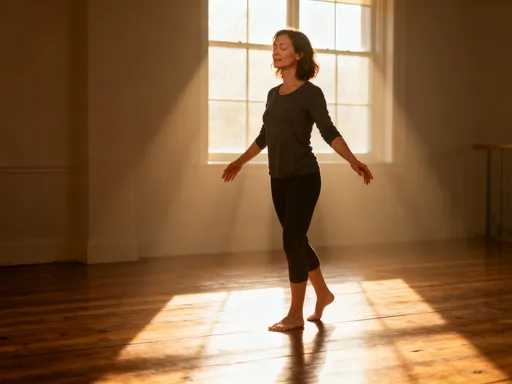
“Gentle Swaying” completes the sequence, involving a slow side-to-side rocking motion from the hips while keeping the upper body relaxed. This movement loosens the joints, improves circulation in the lower back and pelvis, and calms the nervous system. It is especially helpful for those who spend long hours sitting, as it counteracts stiffness and promotes fluidity. When practiced together, these three exercises form a balanced routine that supports energy flow, reduces tension, and enhances overall vitality. No special skills are required—only willingness to begin and commitment to continue.
When to Seek Support: Integrating Qi Gong with Modern Medicine
While Qi Gong offers powerful preventive benefits, it is not a substitute for professional medical care. Its role is complementary—supporting wellness, enhancing self-awareness, and promoting balance—but not replacing diagnosis or treatment. If a practitioner notices persistent or worsening symptoms during their practice, such as chest pain, severe dizziness, or unexplained weight loss, these should be taken seriously and evaluated by a qualified healthcare provider. Early detection through self-awareness is valuable, but confirmation and intervention require clinical expertise.
An integrative approach yields the best outcomes. For example, a woman managing early-stage hypertension might use Qi Gong to reduce stress and improve circulation while also monitoring her blood pressure and following her doctor’s recommendations. Similarly, someone recovering from surgery may practice gentle Qi Gong to support healing and mobility, but only under medical guidance. This collaboration between self-care and clinical care ensures that both prevention and treatment are addressed effectively.
Healthcare providers are increasingly recognizing the value of mind-body practices. Some hospitals now offer Qi Gong and similar modalities as part of cardiac rehabilitation, chronic pain management, and cancer support programs. These integrative models acknowledge that health is multidimensional—affected by physical, emotional, and lifestyle factors. By combining the strengths of both systems, patients gain a more comprehensive approach to wellness. Qi Gong becomes not an alternative, but a partner in care—one that empowers individuals to stay engaged in their health journey between doctor visits.
Building a Preventive Lifestyle: Beyond the Practice Mat
True prevention extends beyond any single practice—it becomes a way of living. Qi Gong teaches principles that can be applied throughout the day: mindfulness, rhythm, balance, and intention. These qualities influence choices related to sleep, nutrition, emotional regulation, and daily routines. A person who practices Qi Gong regularly often finds themselves naturally drawn to healthier habits—not out of discipline, but from increased awareness. They may choose an earlier bedtime because they notice how rest improves their energy, or opt for nourishing meals after realizing how certain foods affect their clarity and mood.
Sleep hygiene, for instance, improves when individuals tune into their body’s natural rhythms. The calm cultivated through Qi Gong supports easier transitions into rest, reducing nighttime anxiety and promoting deeper sleep. Similarly, emotional regulation becomes more attainable when one learns to recognize rising stress and respond with breathing techniques or brief movement breaks. These small, consistent actions accumulate into lasting protection against chronic illness.
The ultimate goal is not perfection, but presence. It is about creating a life where health is not something chased during crises, but nurtured quietly every day. Qi Gong offers a path to this reality—not through dramatic interventions, but through gentle, daily acts of self-care. It reminds us that the body speaks in whispers before it shouts, and that listening is one of the most powerful forms of medicine. By committing to this practice, individuals invest in a future where vitality is sustained, illness is anticipated, and well-being becomes the default state of being.