Hair Wins: How I Finally Tamed My Thinning Crown Without Going Crazy
Losing hair isn’t just about looks—it hits your confidence, your routine, even how you face the day. I used to dread bad hair days until they became every day. But after testing routines, researching science-backed methods, and learning what actually works, I found simple, sustainable strategies that made a real difference. This isn’t about miracles—it’s about smart, consistent choices that support long-term scalp health and slow hair loss. With time, patience, and a clearer understanding of what my body needed, I began to see changes that went beyond reflection in the mirror. It became less about covering up and more about healing—gently, deliberately, and with self-compassion.
The Wake-Up Call: Recognizing Early Signs of Hair Loss
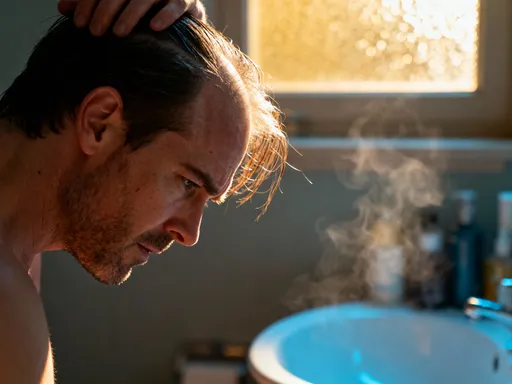
It started subtly—a few extra strands on the brush, then more in the shower drain. At first, I told myself it was normal shedding. Everyone loses hair, right? But soon, the part in my hair widened enough to notice in photos. The top of my head looked thinner, especially under bright light. I began styling my hair differently, using volume-boosting tricks just to feel normal. What I didn’t realize then was that these early signs are often the best window for intervention. Many women wait until the change is dramatic before seeking answers, but by then, valuable time has passed. Early action doesn’t guarantee reversal, but it can significantly slow progression and improve outcomes.
Emotionally, the impact was heavier than I expected. Hair is tied to identity—how we present ourselves, how we feel put together. When that starts slipping away, it can quietly erode self-esteem. I found myself avoiding certain hats that emphasized the thinning, or skipping social events where lighting might highlight it. It wasn’t vanity; it was a sense of loss. And yet, I wasn’t alone. Studies show that over 50% of women experience noticeable hair thinning by age 50, most commonly due to female pattern hair loss. Despite how common it is, many suffer in silence, assuming nothing can be done or feeling too self-conscious to bring it up with a doctor.
Beneath the surface, lifestyle factors were adding pressure. I was juggling family, work, and personal commitments with little margin for rest. My diet had slipped—more convenience meals, fewer greens. Stress levels were high, and sleep was inconsistent. What I didn’t know then was that these everyday habits can directly influence hair health. Chronic stress, nutritional gaps, and poor sleep don’t cause genetic hair loss, but they can accelerate it and make recovery harder. Recognizing this connection was my first step toward meaningful change—not just in how I cared for my hair, but in how I cared for myself.
What’s Really Behind Thinning Hair? Breaking Down the Causes
Understanding the root cause of hair thinning is essential because not all hair loss is the same. The most common type in women is androgenetic alopecia, also known as female pattern hair loss. This is largely genetic and involves a gradual miniaturization of hair follicles, especially on the crown and part line. Unlike male pattern baldness, women typically don’t go completely bald but experience diffuse thinning. It’s driven by hormonal sensitivity in the follicles, particularly to dihydrotestosterone (DHT), a derivative of testosterone. While hormones are involved, this condition affects women across all levels of androgen, including those with normal hormone panels.
Then there’s telogen effluvium—a temporary but often alarming form of shedding. This occurs when a significant number of hair follicles shift prematurely into the resting (telogen) phase, leading to increased shedding two to three months later. Common triggers include childbirth, illness, rapid weight loss, or intense emotional stress. The good news is that telogen effluvium is usually reversible once the trigger is removed. But if the underlying cause persists—like ongoing stress or poor nutrition—the shedding can become chronic, mimicking permanent hair loss and delaying proper diagnosis.
Inflammation also plays a growing role in scalp health. Conditions like seborrheic dermatitis or scalp psoriasis can create a hostile environment for follicles. Even low-grade, chronic inflammation—linked to diet, stress, or autoimmune tendencies—may impair hair growth cycles. The scalp’s microenvironment, including pH balance, microbial flora, and blood circulation, all contribute to whether hair can thrive. When this system is disrupted, follicles may struggle to produce strong, healthy strands.
Nutritional deficiencies are another key factor. Iron deficiency, especially with low ferritin (the stored form of iron), is strongly associated with hair loss in women. Zinc, vitamin D, biotin, and protein intake also matter. Biotin gets a lot of attention in hair supplements, but true deficiency is rare—most people get enough from diet. However, those with digestive issues, restrictive diets, or who’ve had bariatric surgery may benefit from supplementation under medical supervision. The point isn’t to chase one magic nutrient but to support overall biological balance, giving hair the building blocks it needs to grow.
Scalp Health 101: Why Your Foundation Matters More Than You Think
Think of your scalp as soil and your hair as the plant. No matter how good the seed, poor soil will limit growth. A healthy scalp provides a clean, nourished, and balanced environment where follicles can function optimally. Yet many people focus only on hair appearance—volume, shine, color—while neglecting the foundation beneath. Flaking, itching, or a tight feeling on the scalp are signs that something is off. These symptoms may point to dryness, over-washing, fungal imbalance, or inflammatory conditions like dandruff or scalp eczema.
Clogged follicles are another concern. Over time, dead skin cells, sebum (natural oil), and residue from styling products can build up, suffocating follicles and impairing new growth. This is especially common with heavy serums, dry shampoos, or silicones that aren’t fully washed out. The result? Slower growth, weaker strands, and a dull appearance. Gentle exfoliation—either physical (with soft brushes or scalp massagers) or chemical (using salicylic acid or fruit enzymes)—can help remove buildup without irritation. Done once a week, it supports better product absorption and healthier turnover of skin cells.
Maintaining pH balance is equally important. The scalp’s natural pH is slightly acidic, around 4.5 to 5.5. This acidity helps protect against harmful microbes and keeps the hair cuticle closed, which reduces frizz and breakage. Alkaline products—like some traditional shampoos with high sulfate content—can disrupt this balance, leading to dryness, irritation, and increased shedding. Switching to sulfate-free, pH-balanced cleansers can make a noticeable difference over time. These formulas clean effectively without stripping natural oils, preserving the scalp’s protective barrier.
Avoiding product buildup starts with being mindful of what goes on your scalp. Dry shampoo is convenient, but overuse can leave residue. Similarly, heavy conditioners applied too close to the roots can weigh hair down and clog follicles. The key is moderation and proper technique—apply conditioner only from mid-length to ends, and rinse thoroughly. When in doubt, less is more. A simple routine with gentle, well-formulated products often outperforms complex regimens loaded with actives that may irritate sensitive skin.
Daily Rituals That Actually Work: My Proven Routine (No Hype)
After years of trial and error, I settled on a daily routine that’s effective without being overwhelming. The goal wasn’t to do more, but to be consistent with the right things. Each step supports scalp circulation, reduces breakage, and creates conditions for healthier growth. Mornings begin with a few minutes of scalp massage using the pads of my fingers. This isn’t aggressive—it’s gentle, circular motions that stimulate blood flow and feel calming. I do it while brushing or applying a lightweight serum. Studies suggest that regular massage may improve hair thickness over time by increasing nutrient delivery to follicles.
I use a wide-tooth comb instead of a brush, especially when hair is wet and vulnerable to breakage. Starting from the ends and working upward prevents tugging and minimizes stress on fragile strands. After washing, I pat hair dry with a microfiber towel instead of rubbing it, which reduces friction and frizz. When I use a blow dryer, I set it to low heat and finish with a burst of cool air to seal the cuticle and boost shine. These small habits add up, reducing daily damage that can contribute to thinning over time.
At night, I switch to a silk pillowcase. It may sound indulgent, but it reduces friction while sleeping, which means less breakage and fewer tangles. I also avoid tight hairstyles like high ponytails or braids that pull on the hairline—styles that, over time, can lead to traction alopecia, a form of avoidable hair loss. Instead, I loosely braid my hair or wear it down. If I must pull it back, I use soft scrunchies instead of elastic bands.
Product layering is another part of my routine. I apply a leave-in conditioner or lightweight oil to the ends to prevent dryness, but I avoid heavy products on the scalp. Once or twice a week, I use a scalp serum containing ingredients like caffeine or niacinamide, which some studies suggest may support follicle health by counteracting DHT or improving microcirculation. I don’t expect overnight results—these are supportive measures, not cures. The real power lies in consistency. Doing a little every day, without fail, creates cumulative benefits that outlast any quick fix.
Fueling From Within: Foods and Supplements That Support Hair Strength
Hair is made mostly of keratin, a protein, so adequate protein intake is fundamental. When the body is under stress or lacks sufficient protein, it may divert resources away from non-essential functions like hair growth. I made a point to include a source of protein in every meal—eggs, Greek yogurt, lentils, chicken, or tofu. These not only support hair but also help stabilize energy and mood, which indirectly benefits overall health.
Omega-3 fatty acids, found in fatty fish like salmon, chia seeds, and walnuts, play a role in reducing inflammation and supporting scalp hydration. I started making salmon bowls with quinoa, avocado, and roasted vegetables a weekly staple. The healthy fats nourish the scalp from within, potentially improving hair texture and reducing dryness. Antioxidant-rich foods—berries, spinach, sweet potatoes—help combat oxidative stress, which has been linked to premature aging of hair follicles.
When it comes to supplements, I took a cautious approach. After reading too many exaggerated claims, I learned that not all supplements are backed by science. Before adding anything, I requested a blood test from my doctor to check for deficiencies. It revealed low ferritin, even though my iron levels were technically normal. With my doctor’s guidance, I began a supplement regimen that included iron, vitamin D, and a B-complex. I avoided high-dose biotin alone, as excessive amounts can interfere with certain lab tests and don’t help if you’re not deficient.
Hydration is another often-overlooked factor. Water supports every cellular function, including the production of healthy hair. Dehydration can lead to dry, brittle strands and a flaky scalp. I made it a habit to drink water throughout the day, starting with a glass in the morning. Herbal teas and water-rich foods like cucumbers and oranges also contribute. While no single food will reverse hair loss, a nutrient-dense, balanced diet creates the internal conditions where hair has the best chance to thrive.
When Lifestyle Becomes Treatment: Sleep, Stress, and Movement
One of the most surprising discoveries was how deeply lifestyle affects hair. Cortisol, the primary stress hormone, can disrupt the hair growth cycle when elevated for long periods. High cortisol may push more follicles into the shedding phase and reduce the time they spend in the growth phase. Even if you’re eating well and using great products, chronic stress can undermine those efforts. I realized I needed to treat stress not just for my mental health, but for my hair.
I started small: a 20-minute walk each evening, away from screens. I practiced deep breathing before bed—four seconds in, six seconds out—to activate the parasympathetic nervous system. I also set a digital curfew, turning off devices an hour before sleep. These habits helped me wind down and improved sleep quality. Deep, restorative sleep is when the body repairs tissues, balances hormones, and supports follicle recovery. Without it, even the best hair care routine may fall short.
Exercise also played a role, though not in the way I expected. I didn’t take up intense workouts, but regular movement—walking, stretching, light strength training—improved circulation, lifted my mood, and helped regulate hormones. Better blood flow means more oxygen and nutrients reach the scalp. Even a 15-minute walk can make a difference. The key wasn’t intensity, but consistency. Over time, these lifestyle shifts didn’t just support hair health—they improved my overall well-being, making me feel more resilient and in control.
Knowing When to Seek Help: From Dermatologists to Diagnoses
There comes a point when self-care isn’t enough. If you notice rapid shedding, bald patches, or scalp changes like redness or scaling, it’s time to see a dermatologist. These could be signs of conditions like alopecia areata, lupus-related hair loss, or fungal infections, which require medical treatment. A dermatologist can perform a thorough evaluation, including a scalp exam, hair pull test, and possibly a biopsy. They may also order blood work to check for thyroid issues, hormonal imbalances, or nutritional deficiencies.
Thyroid disorders, especially hypothyroidism, are a common but often overlooked cause of hair thinning. Autoimmune conditions can also target hair follicles, leading to scarring or permanent loss if not treated early. The advantage of professional evaluation is getting an accurate diagnosis. Self-diagnosing based on internet searches can lead to wasted time, unnecessary supplements, or delayed treatment. A doctor can help distinguish between temporary shedding and progressive hair loss, guiding you toward appropriate interventions.
Treatment options vary. Topical minoxidil is FDA-approved for female pattern hair loss and has been shown to slow shedding and promote regrowth in many women. It requires daily application and months of consistent use before results appear. Other options include low-level laser therapy (LLLT), which uses light to stimulate follicles, or platelet-rich plasma (PRP) injections, where a concentration of your own blood platelets is injected into the scalp to promote healing. These treatments are not miracle cures, but they can be effective when combined with lifestyle and nutritional support.
The most important thing I learned is that asking for help isn’t failure—it’s wisdom. Hair loss can feel personal, even shameful, but it’s a medical condition like any other. Seeking expert guidance removes guesswork and puts you on a path backed by science. It also opens the door to emotional support, as many dermatologists understand the psychological toll of hair thinning and can offer compassionate care.
Conclusion: Hair Health as a Lifelong Practice, Not a Quick Fix
Looking back, I don’t see my journey as one of dramatic transformation, but of steady progress. My hair isn’t as thick as it was in my twenties, but it’s healthier, stronger, and shedding less. More importantly, I’ve gained confidence—not because my hair is perfect, but because I’ve learned how to care for it with knowledge and kindness. I no longer panic at a few extra strands in the brush. I understand that hair health is cyclical, influenced by seasons, hormones, and life stages.
This experience taught me that self-care isn’t selfish. It’s necessary. Every small choice—what I eat, how I manage stress, how I treat my scalp—adds up over time. Hair health isn’t about chasing youth or perfection. It’s about honoring your body’s needs and responding with compassion. The habits I’ve built aren’t temporary fixes; they’re part of a broader commitment to well-being that includes sleep, movement, and emotional balance.
If you’re struggling with thinning hair, know that you’re not alone, and help is available. Start with one change—drink more water, add a protein-rich meal, try a scalp massage. Be patient. Real change takes months, not days. Celebrate small wins: less shedding, a shinier texture, a good hair day that feels earned, not lucky. Trust that consistent, science-backed choices will yield results. And above all, be gentle with yourself. Your worth isn’t measured by your hairline, but by the care you show yourself along the way.