Your Heart, Your Life: How Everyday Choices Shape Your Well-Being
Heart health isn’t just about avoiding disease—it’s about living fully. I used to think cardiovascular fitness was for athletes or older folks, but a routine check-up changed my mind. High blood pressure at 35? That hit hard. Since then, I’ve tested small, science-backed changes: how I move, eat, rest, and even think. The results? More energy, better sleep, and real peace of mind. This is what quality of life feels like—vital, balanced, and within reach. What if the most powerful thing you could do today isn’t chasing a goal, but protecting the very organ that keeps you moving through life? Your heart is not just a pump; it’s the quiet engine behind every laugh, every hug, every moment you cherish. And it deserves more than just emergency attention.
The Silent Alarm: Recognizing Why Heart Health Matters Now
Many people assume heart disease is something that happens later in life, to someone else. But cardiovascular issues are no longer confined to older generations. According to the American Heart Association, nearly half of all adults in the United States have some form of cardiovascular disease. Even more concerning, cases among adults under 45 are rising, often linked to lifestyle factors like poor diet, physical inactivity, and chronic stress. The heart, though resilient, does not always send loud warnings. Symptoms like fatigue, shortness of breath during routine tasks, or unexplained discomfort in the chest, neck, or arms can be brushed off as stress or aging. Yet these may be early signs of strain on the cardiovascular system.
Heart health is not merely the absence of illness; it is the foundation of daily well-being. When your heart functions efficiently, blood flows smoothly, oxygen reaches your brain and muscles, and your body operates with greater ease. You feel more alert, more capable, and more present in your life. The shift in mindset—from seeing heart care as a medical concern to viewing it as a pillar of personal vitality—is essential. It means understanding that every choice, from what you eat to how you manage stress, either supports or undermines this vital organ.
One of the most dangerous misconceptions is that if you feel fine, your heart must be fine. But high blood pressure, often called the “silent killer,” typically has no symptoms. Left untreated, it damages arteries and increases the risk of heart attack and stroke. Similarly, elevated cholesterol levels can build up silently over years. Routine check-ups are not optional—they are a necessary part of responsible self-care. Knowing your numbers—blood pressure, cholesterol, and blood sugar—is like reading the dashboard of your car. You wouldn’t ignore a warning light; why ignore your body’s signals?
Recognizing heart health as a lifelong priority means moving from reaction to prevention. It means understanding that the habits you form today—whether it’s choosing stairs over elevators or cooking at home more often—lay the groundwork for how well you’ll feel ten, twenty, or thirty years from now. This is not about fear, but about empowerment. You have more control than you think. And the earlier you start, the greater the long-term benefits.
Move Like You Mean It: Rethinking Physical Activity for Heart Strength
Physical activity is one of the most effective tools for maintaining heart health, yet many people believe they need to spend hours at the gym to make a difference. The truth is far more encouraging: movement in any form counts. The heart is a muscle, and like any muscle, it becomes stronger with regular use. When you engage in physical activity, your heart pumps more efficiently, your blood pressure improves, and your circulation increases. Over time, this reduces the workload on your heart and lowers your risk of cardiovascular disease.
You don’t need intense workouts to see benefits. Research shows that even moderate activities—like brisk walking, gardening, or climbing stairs—can significantly improve heart function. The key is consistency. The Department of Health and Human Services recommends at least 150 minutes of moderate-intensity aerobic activity per week, which breaks down to about 30 minutes a day, five days a week. But even if you can’t meet that goal right away, starting small makes a difference. Ten-minute walks after meals, stretching during TV commercials, or dancing while cooking—these moments add up and contribute to a healthier cardiovascular system.
One of the most powerful changes you can make is to reduce sedentary time. Sitting for long periods slows circulation and can negatively affect blood sugar and cholesterol levels. If your job involves sitting at a desk, try incorporating movement into your routine. Stand up and stretch every hour, take phone calls while walking, or hold walking meetings when possible. At home, choose active hobbies like biking, hiking, or playing with children or pets. These activities not only support your heart but also improve your mood and energy levels.
The science behind exercise and heart health is clear. Regular physical activity strengthens the heart muscle, allowing it to pump more blood with less effort. This leads to a lower resting heart rate, which is a strong indicator of cardiovascular fitness. Additionally, exercise helps regulate blood pressure, reduce inflammation, and improve the balance of cholesterol in the body—increasing HDL (the “good” cholesterol) and lowering LDL (the “bad” cholesterol). These changes happen gradually, which is why consistency matters more than intensity.
For those who feel overwhelmed by the idea of starting an exercise routine, the best approach is to begin with something enjoyable. If you like music, try a dance workout. If you enjoy nature, go for a walk in the park. The goal is not perfection but participation. Over time, as your stamina improves, you may find yourself naturally gravitating toward more active choices. Movement should not feel like punishment; it should feel like a gift to your body—one that keeps giving back in energy, strength, and peace of mind.
Food With Purpose: Eating for a Stronger, Healthier Heart
Nutrition plays a central role in heart health, yet the abundance of conflicting diet advice can make it difficult to know what to believe. The truth is, you don’t need a complicated plan or expensive supplements to support your cardiovascular system. What matters most is the quality and consistency of your food choices. A heart-healthy diet is not about strict restrictions or short-term fixes; it’s about building sustainable habits that nourish your body over time.
One of the biggest threats to heart health is the overconsumption of processed foods. These items often contain high levels of added sugars, unhealthy fats, and sodium—all of which contribute to high blood pressure, inflammation, and poor cholesterol levels. The average American consumes far more sodium than recommended, much of it hidden in packaged snacks, canned soups, and restaurant meals. Reducing processed food intake doesn’t mean giving up convenience altogether. It means making smarter swaps: choosing fresh or frozen vegetables over canned ones with added salt, preparing meals at home more often, and reading nutrition labels carefully.
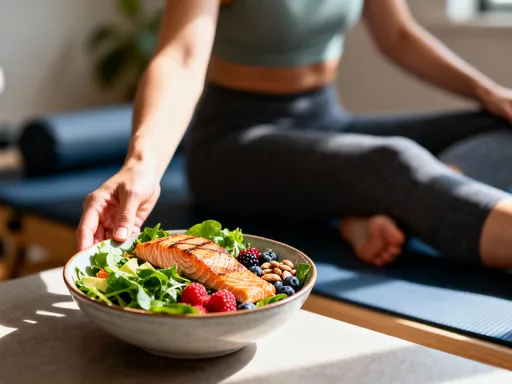
Instead of focusing on what to eliminate, shift your attention to what to include. Whole, unprocessed foods—fruits, vegetables, whole grains, legumes, nuts, and seeds—are rich in fiber, antioxidants, and healthy fats. These nutrients work together to support healthy blood vessels, reduce inflammation, and improve cholesterol balance. For example, soluble fiber found in oats, beans, and apples helps lower LDL cholesterol. Omega-3 fatty acids, found in fatty fish like salmon and in flaxseeds and walnuts, support heart rhythm and reduce triglycerides.
Simple changes can make a big difference. Start your day with oatmeal topped with berries instead of a sugary cereal. Use avocado or olive oil instead of butter for cooking and spreading. Snack on a handful of almonds rather than chips. Replace red meat with plant-based proteins like lentils or chickpeas a few times a week. These small shifts, when repeated over time, create lasting change. The goal is not perfection but progress—choosing better options more often.
Hydration also plays a role in heart health. Drinking enough water supports circulation and helps the heart pump blood more efficiently. Limiting sugary drinks like soda and sweetened teas can significantly reduce calorie and sugar intake, which in turn helps manage weight and blood sugar levels. Herbal teas, sparkling water with lemon, or plain water with cucumber are refreshing alternatives.
Eating with purpose means being mindful of not just what you eat, but how you eat. Slowing down, savoring meals, and eating without distractions can improve digestion and help prevent overeating. Sharing meals with family or friends also adds a social dimension that enhances well-being. Food is more than fuel—it’s a daily opportunity to care for your heart and enjoy life.
Stress, Sleep, and the Hidden Heart Risks
While diet and exercise are often at the forefront of heart health discussions, two silent but powerful factors—stress and sleep—are equally important. Chronic stress triggers the release of cortisol and adrenaline, hormones that increase heart rate and blood pressure. Over time, this constant state of alertness puts extra strain on the cardiovascular system. Emotional stress can also lead to unhealthy coping mechanisms, such as overeating, smoking, or skipping workouts, further increasing heart risks.
Sleep is just as critical. During deep sleep, the body repairs tissues, regulates hormones, and allows the heart to rest. Poor sleep—whether due to insomnia, sleep apnea, or irregular schedules—disrupts these processes. Studies show that people who consistently sleep less than six hours per night have a higher risk of heart disease. The connection between sleep and heart health is so strong that sleep quality is now considered a key indicator of cardiovascular well-being.
The good news is that managing stress and improving sleep are within reach for most people. Simple, evidence-based strategies can make a meaningful difference. Mindful breathing, for example, activates the parasympathetic nervous system, which helps the body relax. Taking just five minutes a day to focus on slow, deep breaths can lower heart rate and reduce tension. Other techniques, such as progressive muscle relaxation or gentle stretching before bed, can prepare the body for restful sleep.
Digital detoxing is another effective approach. The blue light emitted by phones, tablets, and computers can interfere with melatonin production, making it harder to fall asleep. Establishing a screen-free routine an hour before bed—reading a book, listening to calming music, or practicing gratitude—can improve sleep quality. Creating a consistent bedtime and wake-up time, even on weekends, helps regulate the body’s internal clock.
It’s also important to recognize that rest is not a luxury—it’s a necessity. In a culture that often glorifies busyness, taking time to recharge can feel counterintuitive. But just as a car needs regular maintenance, your body needs time to recover. Rest allows your heart to function more efficiently, reduces inflammation, and supports emotional balance. Viewing rest as an essential part of heart care, rather than a sign of laziness, is a shift that can transform your overall health.
The Social Heart: How Connection Supports Physical Health
Human beings are wired for connection, and this need extends beyond emotional well-being—it directly impacts physical health. Research has shown that strong social ties are linked to a lower risk of heart disease. People with supportive relationships tend to have lower blood pressure, healthier cortisol levels, and better recovery rates after cardiac events. On the other hand, loneliness and social isolation are now recognized as serious risk factors, comparable to smoking or physical inactivity.
Why does connection matter so much? Relationships provide emotional support, reduce stress, and encourage healthier behaviors. When you’re part of a community—whether it’s family, friends, a faith group, or a hobby club—you’re more likely to stay active, eat well, and seek medical care when needed. Conversations, shared meals, and laughter all contribute to a sense of belonging that buffers against the wear and tear of daily life.
Strengthening your social heart doesn’t require grand gestures. Small, consistent efforts make a difference. Calling a friend just to check in, joining a local walking group, or volunteering in your community can deepen connections. Cooking and eating meals together fosters both nutrition and bonding. Even pets can provide companionship that lowers stress and increases physical activity through daily walks.
For those who feel isolated, taking the first step can be difficult. But reaching out—whether through a support group, a class, or an online community—can open doors to meaningful relationships. The goal is not to fill every moment with social interaction, but to cultivate a few strong, supportive connections. These relationships become a safety net during tough times and a source of joy during good ones. In caring for your heart, remember that love, laughter, and conversation are not just emotional comforts—they are forms of medicine.
Tracking Progress Without Obsession
Making positive changes is one thing; staying motivated is another. Tracking progress can help you stay on course, but not all forms of measurement are helpful. Weighing yourself daily or obsessing over step counts can lead to frustration and burnout. The goal is not perfection, but awareness. What matters most are the internal signs of improvement: more energy, better sleep, improved mood, and a greater sense of well-being.
One effective way to track progress is through journaling. Writing down how you feel each week—your energy levels, sleep quality, and emotional state—can reveal patterns over time. You might notice that on days when you walk after dinner, you sleep more soundly. Or that when you eat a balanced breakfast, your focus improves. These observations build self-awareness and reinforce positive habits.
Simple check-ins with yourself can also be powerful. Asking questions like, “Did I move my body today?” or “Did I eat something nourishing?” keeps your intentions clear without turning health into a rigid set of rules. Celebrating small wins—like choosing water over soda or taking the stairs—builds confidence and momentum.
It’s also important to accept that progress is not linear. There will be days when you’re tired, busy, or unmotivated. That’s normal. The key is to return to your habits without self-criticism. Long-term success comes from consistency, not perfection. Tracking should serve as a tool for encouragement, not a source of pressure. When you focus on how you feel rather than how you look, you shift from external validation to internal well-being—a far more sustainable and fulfilling path.
A Lifelong Commitment, Not a Quick Fix
Heart health is not a destination; it’s a continuous journey shaped by daily choices. There is no magic pill or instant transformation. The most powerful changes are the small, consistent ones—choosing water over soda, taking a walk after dinner, calling a friend when you’re stressed. These actions may seem minor on their own, but over time, they compound into lasting results.
Sustainability matters more than intensity. A short, daily walk is more beneficial than an occasional hour-long workout you can’t maintain. Cooking a simple, healthy meal at home is more impactful than a perfect diet you abandon after a week. The goal is not to overhaul your life overnight, but to build a lifestyle that supports your heart for decades to come.
Setbacks are inevitable. Life gets busy, emotions run high, and old habits creep back in. That’s okay. What matters is your ability to return to your intentions with kindness and resolve. Each day offers a new opportunity to care for your heart—not because you fear illness, but because you value your life. This is not about fear; it’s about respect. It’s about recognizing that your heart is not just keeping you alive—it’s allowing you to love, laugh, create, and connect.
In the end, heart care is an act of self-worth. It’s a quiet promise to show up for yourself, day after day. By moving your body, nourishing it with real food, resting deeply, and staying connected to others, you are doing more than preventing disease. You are building a life of vitality, balance, and meaning. And that is the truest form of well-being.