How I Found Balance Through Simple Daily Rituals
Ever feel like your body’s running on empty no matter how much you rest? I’ve been there—constantly drained, unfocused, and out of sync. After years of trial and error, I discovered that small, consistent habits tied to my everyday interests made the biggest difference. It wasn’t about extreme diets or intense workouts, but about aligning my lifestyle with natural rhythms. This is how tuning into simple pleasures quietly transformed my energy, mood, and overall well-being.
The Hidden Link Between Hobbies and Health
Many people assume that health is built solely through structured exercise and strict nutrition. However, a growing body of research highlights that emotional satisfaction and engagement in meaningful activities play an equally vital role in physical wellness. When someone spends time doing what they love—whether painting, baking, tending to plants, or listening to music—the body responds in measurable ways. These activities are not just distractions from stress; they actively lower cortisol levels, reduce inflammation, and support immune function.
For example, studies have shown that individuals who regularly engage in creative hobbies such as knitting or drawing report better sleep quality and fewer digestive complaints. The rhythm of repetitive motion, like the stroke of a paintbrush or the click of knitting needles, can mimic meditative states, calming the nervous system. Similarly, outdoor activities like gardening connect a person with natural light cycles and soil-based microbes, both of which contribute to balanced circadian rhythms and improved gut health. These effects may seem subtle, but over time, they create a foundation for resilience.
One woman in her early 40s shared how returning to watercolor painting after years away helped ease chronic tension headaches. She didn’t set out to treat her symptoms—she simply wanted to reconnect with something joyful. Yet within weeks, she noticed she was sleeping more deeply and waking with more clarity. Her experience illustrates a powerful truth: when we honor our inner interests, our bodies often respond with healing. Joy is not the opposite of discipline—it is a form of alignment.
Why Modern Life Throws Your Body Off Balance
Daily life today is filled with invisible forces that disrupt the body’s natural equilibrium. Constant exposure to screens, especially in the evening, interferes with melatonin production, making it harder to fall asleep and stay asleep. Irregular meal times, skipped breakfasts, and late-night snacking confuse the digestive system, leading to bloating, fatigue, and inconsistent energy. Emotional suppression—pushing down frustration, sadness, or anxiety to keep up appearances—creates internal pressure that the body stores as muscle tension, shallow breathing, or digestive discomfort.
These disruptions do not operate in isolation. They form a web of stressors that affect multiple systems simultaneously. For instance, when the mind is under prolonged pressure, the adrenal glands release cortisol, a hormone meant for short-term survival responses. But when cortisol remains elevated for days or weeks, it begins to interfere with insulin regulation, immune response, and even thyroid function. The result can be unexplained weight gain, frequent colds, or a persistent sense of being overwhelmed.
What’s often overlooked is the feedback loop between mental and physical states. A person might feel sluggish and assume they need more coffee or a stricter diet. But the root cause could be emotional exhaustion masked as physical fatigue. The body speaks through sensation—tight shoulders, a clenched jaw, restless legs—but without awareness, these signals go unheeded. Recognizing this mind-body connection is the first step toward restoring balance without drastic measures.
Listening to Your Body: Recognizing Early Warning Signs
The body communicates constantly, but most people have learned to ignore its messages until they become urgent. Subtle signs like afternoon fatigue, difficulty concentrating, or changes in appetite are not flaws to be fixed—they are signals inviting attention. A midday slump, for example, may not mean you need more caffeine; it could indicate that your blood sugar dipped due to an unbalanced breakfast or that your eyes and brain need a break from screen strain.
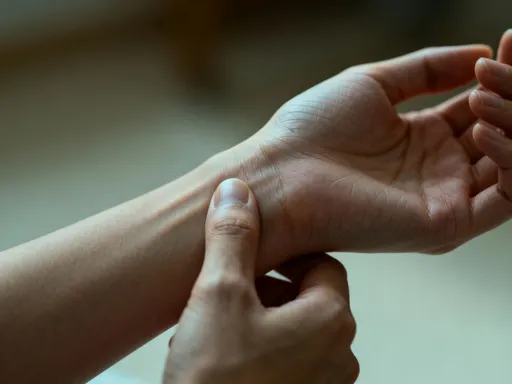
Learning to listen requires slowing down and tuning in. One practical method is the daily check-in: pause three times a day—morning, midday, and evening—and ask yourself two simple questions: How much energy do I have right now, on a scale of 1 to 10? And what am I feeling emotionally? You don’t need to solve anything in that moment; simply noticing builds awareness. Over time, patterns emerge—perhaps low energy follows stressful phone calls, or improved mood comes after a short walk outside.
Another useful tool is tracking physical sensations without judgment. If your stomach feels tight, notice when it started and what preceded it. Was it after a rushed meal? A difficult conversation? This kind of observation helps distinguish between temporary discomfort and deeper imbalances. The goal is not to become hyper-vigilant but to cultivate a relationship with your body based on trust and curiosity rather than criticism. When you stop treating symptoms as enemies, you open space for genuine healing.
Building a Lifestyle That Heals—Without Trying Too Hard
True wellness does not come from willpower or rigid routines. It grows from consistency, gentleness, and personal relevance. The concept of “effortless wellness” centers on integrating small, enjoyable actions into daily life—activities that feel less like chores and more like gifts to yourself. Unlike intense fitness programs or restrictive diets, which often lead to burnout, these practices are sustainable because they are rooted in pleasure.
Imagine replacing a stressful evening scroll through social media with 15 minutes of coloring in a nature-themed book. Or swapping a weekend errand run for a slow walk through a local park. These choices may seem minor, but their cumulative effect is profound. When an activity brings joy, the body relaxes, breathing deepens, and stress hormones begin to recede. Over time, this state of ease supports better digestion, clearer thinking, and more stable moods.
The key is choosing activities that resonate personally. For one person, comfort might come from organizing a recipe journal; for another, it could be playing piano or watching birds from a window. There is no hierarchy of hobbies—what matters is how they make you feel. When a routine feels natural and fulfilling, it doesn’t require motivation to maintain. It becomes part of who you are, not something you have to force yourself to do. This is how healing happens quietly, steadily, and without resistance.
Simple Rituals That Make a Real Difference
Transforming well-being doesn’t require sweeping changes. Five simple, science-supported rituals can significantly improve daily energy, focus, and emotional balance when practiced consistently. The first is morning stretching with music. Just five to ten minutes of gentle movement—reaching arms overhead, rolling the shoulders, bending forward—paired with a favorite song signals to the body that a new day has begun. This ritual increases blood flow, loosens stiff muscles, and sets a positive tone. The addition of music enhances mood by stimulating dopamine release, making it easier to rise and start the day with intention.
The second practice is taking nature breaks throughout the day. Even brief exposure to green spaces—walking past trees, sitting near a garden, or watching clouds from a bench—has been shown to lower heart rate and reduce mental fatigue. These moments allow the brain to shift from focused attention to soft fascination, a state linked to creativity and emotional recovery. A woman in her fifties reported that her afternoon anxiety decreased significantly after she began taking a 10-minute walk around a small neighborhood park. She didn’t think of it as therapy—but it functioned like one.
The third ritual is the mindful tea moment. Preparing and sipping a warm beverage slowly, without multitasking, creates a pause in the day. Focusing on the warmth of the cup, the aroma of the tea, and the rhythm of breathing activates the parasympathetic nervous system, which supports relaxation and digestion. This simple act can prevent the urge to snack out of stress and help transition between tasks with greater clarity.
The fourth practice is hobby scheduling. Instead of waiting for free time to appear, treat creative or restorative activities as essential appointments. Block 20 minutes in the calendar for journaling, potting a plant, or arranging photos. This small act of prioritization sends a message that your well-being matters. Over time, these moments accumulate into a stronger sense of self-worth and emotional stability.
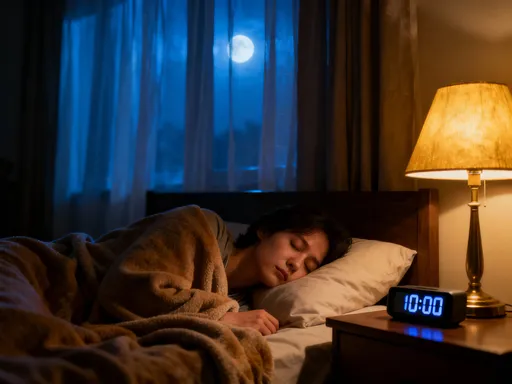
The fifth ritual is evening unwinding. In the hour before bed, reduce stimulation by dimming lights, turning off screens, and engaging in quiet activities like reading, light stretching, or listening to soft music. This prepares the body for sleep by supporting natural melatonin release. One mother of two shared that replacing late-night television with a nightly ritual of lighting a candle and writing three things she was grateful for helped her fall asleep faster and wake up feeling more refreshed. These rituals work not because they are dramatic, but because they are repeated—each one reinforcing a pattern of care.
Making It Stick: Turning Actions Into Lasting Habits
Starting a new routine is often easier than maintaining it. The secret to lasting change lies not in motivation, but in design. Habits are more likely to stick when they are tied to existing behaviors and supported by the environment. For example, if you want to stretch each morning, place your yoga mat next to your bed the night before and decide to do it right after brushing your teeth. This method, known as habit stacking, uses established routines as anchors for new ones.
Another effective strategy is shaping the environment to support your goals. If you want to spend more time reading, keep a book on the kitchen table or beside your favorite chair. If you’d like to drink more water, fill a glass each morning and place it where you’ll see it during work. These small cues reduce the mental effort required to begin, making it easier to follow through even on busy or low-energy days.
It’s also important to approach setbacks with kindness. Missing a day does not mean failure—it means you’re human. The goal is progress, not perfection. If a week gets away from you, simply begin again without self-criticism. Compassionate consistency is far more effective than rigid discipline. Over time, these practices become automatic, no longer requiring effort to maintain. They become part of the rhythm of your life, like breathing or blinking—quiet, essential, and sustaining.
Living Well Is Not a Goal—It’s a Practice
Balanced health is not a destination to reach but a daily practice to nurture. It does not depend on extreme measures or flawless execution. Instead, it flourishes in the small, repeated choices that honor your body’s needs and your heart’s desires. When self-care is framed not as indulgence but as respect, it becomes non-negotiable—a quiet commitment to showing up for yourself with kindness and attention.
The women who find lasting well-being are not those who do everything perfectly. They are the ones who return, again and again, to what brings them peace. They understand that vitality is not measured by productivity, but by presence—by the ability to feel grounded, to laugh deeply, and to move through the day with a sense of calm purpose. This kind of health cannot be forced; it must be invited in through gentle, consistent actions.
Ultimately, the most powerful wellness strategy is one that feels good. When hobbies and health align, there is no struggle. Gardening becomes movement. Baking becomes mindfulness. Singing in the kitchen becomes breathwork. These moments, strung together over time, form a life of quiet strength and enduring balance. The body heals not in spite of joy, but because of it. And in that truth lies a simple, powerful invitation: to live well, one small, meaningful ritual at a time.