Hair That Lasts: My Long-Term Fix Through Food
You know that frustrating cycle—trying every shampoo, serum, and supplement, only to see thinning, breakage, or dullness come back? I’ve been there. After years of quick fixes failing me, I realized true hair health starts not in the bathroom, but in the kitchen. What I eat every day has made a real difference—stronger strands, less shedding, and shine I haven’t seen since I was a kid. This isn’t about overnight magic; it’s about lasting change from within. The transformation didn’t happen in weeks, but over months of consistent, mindful eating. And while genetics and hormones play roles, one factor remains under our control: nutrition. More than any topical product, what we consume shapes the strength, texture, and vitality of our hair from the inside out.
The Hidden Truth About Hair Health
Hair is often treated as a surface-level concern—an accessory to style or conceal. But in reality, each strand is a living reflection of internal well-being. Hair growth begins deep within the scalp, where follicles rely on a steady supply of nutrients to produce strong, resilient strands. When the body lacks essential vitamins or minerals, one of the first visible signs can be hair thinning, slow growth, or increased shedding. This is because hair is made primarily of keratin, a type of protein, and its production depends on amino acids, iron, zinc, and a range of B vitamins. Without these building blocks, even the most expensive shampoos can’t compensate for what’s missing inside.
The hair growth cycle consists of three phases: anagen (growth), catagen (transition), and telogen (resting). A healthy diet supports a longer anagen phase, meaning hair grows for more extended periods before naturally shedding. Nutritional deficiencies, however, can shorten this phase and push more follicles into the resting or shedding stage prematurely. For example, low iron levels are strongly linked to telogen effluvium, a condition marked by excessive hair fall. Similarly, inadequate protein intake can lead to brittle, dry hair that breaks easily. These are not cosmetic issues—they are signals from the body indicating a deeper imbalance.
Many women in their 30s to 50s experience changes in hair texture and volume, often attributing them to aging or stress. While these factors matter, they are frequently compounded by shifts in diet, digestion, or nutrient absorption that occur with age. Hormonal changes during perimenopause and menopause can also affect scalp health, but nutrition plays a critical role in modulating these effects. Instead of chasing external remedies, the most sustainable approach is to support the body’s natural processes through food. Hair health is not isolated—it’s connected to overall metabolic function, hormone regulation, and cellular repair, all of which are influenced by what we eat.
Why Quick Fixes Don’t Work
Walk down any beauty aisle, and you’ll find a dizzying array of serums, oils, and shampoos promising thicker, shinier, faster-growing hair. Many of these products deliver temporary improvements—adding moisture, smoothing the cuticle, or creating the illusion of volume. But they don’t address the root cause of weak or thinning hair. Topical treatments cannot supply the internal nutrients follicles need to produce healthy new strands. At best, they offer a short-term cosmetic boost; at worst, they distract from the real solution: long-term nourishment.
One common myth is that washing hair too often causes it to fall out. In truth, daily shedding of 50 to 100 strands is normal, and shampooing simply reveals hair that was already in the shedding phase. Another misconception is that expensive oils like argan or rosemary oil can regrow hair. While some essential oils may support scalp circulation when used correctly, they are not substitutes for nutritional support. There is limited clinical evidence that topical applications alone can reverse hair thinning caused by deficiency.
The supplement industry adds to the confusion, marketing biotin, collagen, or hair gummies as miracle cures. While certain supplements can help in cases of diagnosed deficiency, they are not a replacement for a balanced diet. In fact, excessive intake of some nutrients—like selenium or vitamin A—can actually contribute to hair loss. The body absorbs and utilizes nutrients more effectively from whole foods, where they come in natural proportions and with co-factors that enhance absorption. For instance, the iron in spinach is better absorbed when eaten with vitamin C-rich foods like bell peppers or citrus. This synergy is lost in isolated supplements.
Marketing often promotes the idea of a quick fix, but sustainable hair health is built over time. Just as you wouldn’t expect to strengthen a house by painting the walls while ignoring the foundation, you can’t expect lasting hair improvement without addressing internal nutrition. The shift from temporary solutions to long-term wellness requires patience and consistency. It’s not about finding the perfect product—it’s about creating the right internal environment for hair to thrive.
Key Nutrients That Build Stronger Hair
Several nutrients play essential roles in hair structure and growth. Understanding what they do and where to find them in food is the first step toward lasting improvement. Protein is the most fundamental—hair is over 90% keratin, a structural protein made from amino acids. Without adequate dietary protein, the body may prioritize other functions over hair growth, leading to thinning or brittle strands. Good sources include eggs, poultry, fish, legumes, Greek yogurt, and tofu. Including a source of protein at every meal helps maintain a steady supply for follicle activity.
Iron is another critical nutrient, especially for women. It helps red blood cells carry oxygen to hair follicles, fueling growth and repair. Iron deficiency, particularly low ferritin levels, is a well-documented cause of hair loss in pre- and post-menopausal women. Dietary iron comes in two forms: heme iron (from animal sources like lean beef, chicken, and fish) and non-heme iron (from plants like lentils, spinach, and fortified grains). Heme iron is more easily absorbed, but pairing plant-based iron with vitamin C-rich foods—such as tomatoes, oranges, or broccoli—can significantly boost absorption.
Vitamin D has gained attention for its role in hair cycling. Receptors for vitamin D are present in hair follicles, and research suggests that low levels may be linked to alopecia and other hair loss conditions. While sunlight is a primary source, few foods naturally contain vitamin D. Fatty fish like salmon and mackerel, egg yolks, and fortified dairy or plant milks can help maintain adequate levels, especially in regions with limited sun exposure.
Biotin, a B vitamin, is often associated with hair health. It helps convert food into energy and supports the production of keratin. While biotin deficiency is rare, ensuring sufficient intake through food is wise. Eggs, nuts, seeds, sweet potatoes, and whole grains are natural sources. Omega-3 fatty acids, found in fatty fish, flaxseeds, chia seeds, and walnuts, reduce inflammation and support scalp health by keeping it hydrated and nourished. Zinc, found in pumpkin seeds, shellfish, and legumes, helps regulate the oil glands around follicles and supports immune function, which in turn protects hair from damage.
My Daily Eating Pattern for Healthy Hair
Knowing which nutrients matter is one thing; putting them into daily practice is another. A sustainable, hair-supportive diet doesn’t require exotic ingredients or strict rules. It’s about making consistent, realistic choices that provide a broad spectrum of nutrients. Here’s a look at a typical day of eating that supports hair health—simple, nourishing, and accessible.
Breakfast might start with a bowl of steel-cut oats cooked in milk or a fortified plant-based alternative, topped with blueberries, sliced almonds, and a sprinkle of chia seeds. This meal delivers complex carbohydrates for steady energy, protein from the milk or oats, omega-3s from chia, and antioxidants from berries. A boiled egg on the side adds high-quality protein, biotin, and vitamin D. This combination fuels the body and provides key nutrients early in the day when metabolic activity is high.
Lunch could be a hearty lentil soup with spinach, carrots, and tomatoes, served with a slice of whole-grain bread. Lentils are rich in protein, iron, and zinc, while spinach adds more iron and folate. Tomatoes provide vitamin C, which enhances iron absorption from the lentils and greens. A drizzle of olive oil contributes healthy fats and helps the body absorb fat-soluble vitamins. This meal is filling, anti-inflammatory, and deeply supportive of hair growth.
For a midday snack, a small handful of pumpkin seeds and a cup of plain Greek yogurt offer a powerful nutrient boost. Pumpkin seeds are one of the best plant sources of zinc, while Greek yogurt provides protein, probiotics for gut health, and often vitamin D if fortified. The gut-skin-hair connection is increasingly recognized—healthy digestion improves nutrient absorption, which directly impacts hair quality.
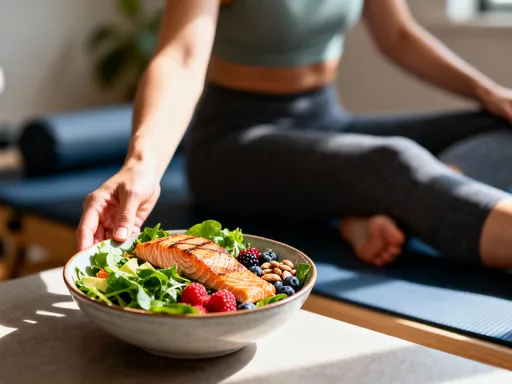
Dinner might include baked salmon with roasted sweet potatoes and steamed broccoli. Salmon is rich in omega-3 fatty acids and high-quality protein, while sweet potatoes provide beta-carotene, which the body converts to vitamin A—a nutrient essential for sebum production and scalp health. Broccoli adds fiber, vitamin C, and sulforaphane, a compound with antioxidant properties that may protect hair follicles from damage. This meal is balanced, satisfying, and packed with hair-supportive nutrients.
Evening snacks, if needed, might include an apple with almond butter or a small bowl of mixed berries. The goal is not perfection but consistency—eating a variety of whole, minimally processed foods that work together to support long-term health. This pattern isn’t a short-term diet; it’s a way of eating that can be maintained for years, providing ongoing benefits for hair and overall well-being.
Foods That Sabotage Your Hair Goals
Just as certain foods build strong hair, others can undermine it. Highly processed foods—like packaged snacks, sugary cereals, and fast food—often lack essential nutrients while contributing to inflammation and blood sugar imbalances. Chronic inflammation has been linked to hair loss, as it can damage follicles and disrupt the growth cycle. Diets high in refined carbohydrates and added sugars can lead to insulin resistance, which in turn may affect hormone levels and contribute to conditions like female pattern hair loss.
Trans fats, found in many fried and processed foods, are particularly harmful. They increase inflammation and may reduce the availability of essential fatty acids needed for scalp health. Replacing trans fats with healthy fats—like those in avocados, nuts, and olive oil—can improve both hair texture and overall cardiovascular health. Similarly, excessive alcohol consumption can deplete nutrients like zinc and B vitamins, interfere with liver function, and disrupt sleep—all of which indirectly affect hair quality.
While salt is necessary in moderation, a diet high in sodium can contribute to fluid retention and poor circulation, potentially affecting nutrient delivery to the scalp. Some studies suggest that poor blood flow to the scalp may impair hair growth. Additionally, very low-calorie or restrictive diets can trigger hair shedding, as the body enters a state of conservation, redirecting energy away from non-essential functions like hair growth.
It’s not about eliminating all indulgences—occasional treats are part of a balanced life. The key is awareness. Recognizing which foods may be working against hair health allows for mindful choices. Reducing processed foods, cutting back on added sugars, and reading labels to avoid hidden trans fats are small changes that can yield noticeable improvements over time. The goal is progress, not perfection—each positive choice builds toward stronger, healthier hair.
Putting It All Together: Simple Swaps, Lasting Results
Transforming your diet doesn’t require drastic changes. Lasting results come from small, consistent actions that add up over time. Instead of overhauling your entire kitchen, focus on simple swaps that make a difference. Choose whole grains like brown rice or quinoa instead of white bread and pasta. Add a handful of spinach to your morning smoothie or stir-fry. Sprinkle sunflower or flaxseeds onto salads, oatmeal, or yogurt for an easy boost of omega-3s and vitamin E.
Replace sugary snacks with fresh fruit and nuts. Instead of soda or sweetened tea, drink water with lemon or herbal infusions. Cook with olive oil rather than margarine or vegetable shortening to avoid trans fats. Keep hard-boiled eggs or Greek yogurt on hand for quick, protein-rich snacks. These small shifts are sustainable and effective, especially when practiced daily.
Meal planning can also help. Preparing a batch of lentil soup or roasting a tray of vegetables on the weekend makes healthy eating easier during busy weekdays. Keeping nutrient-dense staples—like canned beans, frozen berries, and whole grains—on hand ensures you always have options. The goal is not to follow a rigid plan but to create an environment where healthy choices are the default.
Over time, these habits lead to visible changes. Hair may become less prone to breakage, shedding may decrease, and new growth may appear thicker and shinier. These improvements are not immediate, but they are real and lasting. Unlike topical products that wash off, the benefits of good nutrition build from within, creating a stronger foundation for long-term hair health.
Beyond Diet: Lifestyle Habits That Support Hair
Nutrition is the cornerstone of hair health, but it doesn’t work in isolation. Sleep, stress management, and hydration are equally important. During deep sleep, the body repairs tissues, balances hormones, and supports cellular regeneration—including hair follicles. Chronic sleep deprivation can disrupt the hair growth cycle and increase cortisol levels, a stress hormone linked to hair shedding.
Stress, especially prolonged emotional or physical stress, can trigger temporary hair loss conditions like telogen effluvium. While you can’t eliminate all stress, practices like mindful breathing, gentle movement, or journaling can help regulate the nervous system. Even a 10-minute walk in nature can reduce cortisol and improve mood, indirectly supporting hair health.
Hydration is another key factor. Water makes up a significant portion of hair cells, and dehydration can lead to dryness and brittleness. Drinking adequate fluids—primarily water—helps maintain scalp moisture and supports circulation. Herbal teas and water-rich foods like cucumbers, oranges, and soups also contribute to daily hydration needs.
Physical activity improves blood flow, delivering oxygen and nutrients to the scalp. Regular movement, whether walking, yoga, or strength training, supports overall metabolic health and reduces inflammation. It also helps regulate insulin and sex hormones, which play roles in hair growth. The combination of good nutrition, restful sleep, stress reduction, and movement creates an optimal internal environment for hair to thrive.
Hair health is not a standalone issue—it’s part of a larger picture of wellness. When you care for your body with nourishing food and balanced habits, the results show not just in your hair, but in your energy, mood, and confidence. The journey isn’t about chasing perfection, but about making choices that honor your long-term health. Real change takes time, but when built on real food and sustainable habits, it lasts.